

Blog
GCSE Science in Dulwich: Why Our Last Remaining Class is the Secret Weapon for Top Grades


Excellence loves company. There’s something rather special that happens when you gather a room full of ambitious students who are all reaching for the same goal. It’s not competitive in the unpleasant sense: it’s collaborative, energising, and it raises everyone’s game.
Our Easter GCSE Science Revision Course has become something of a fixture for South London families whose children are aiming for those top grades. This year, we’ve already filled two of our three classes, and we’re now down to our final few spots. If you’ve been considering whether this course might suit your child, now would be the time to have that conversation.
The Power of a High-Calibre Peer Group
When we talk about the benefits of our revision courses, parents often focus on the teaching: and rightly so. But there’s another factor that’s just as important: the other students in the room.
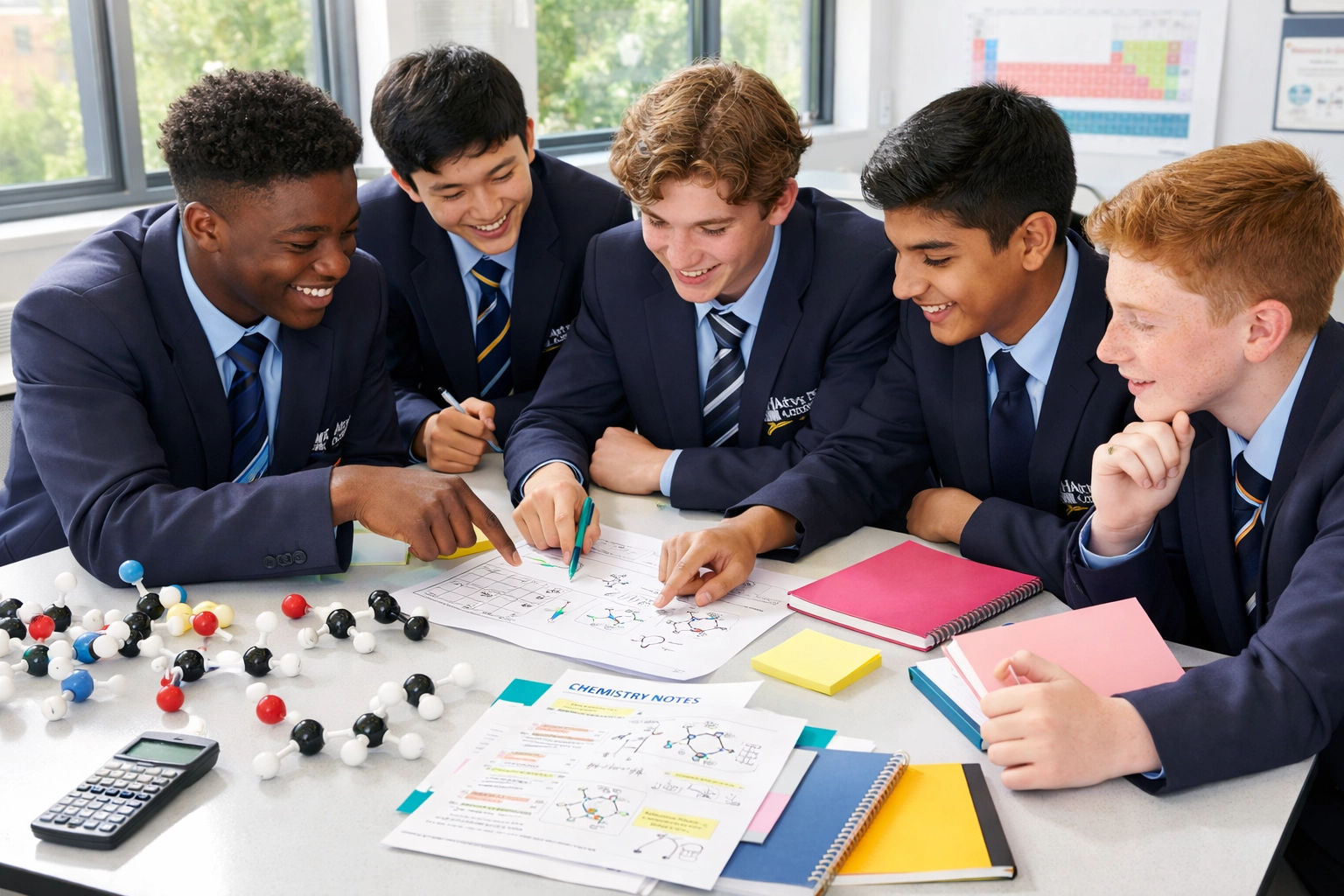
We’ve noticed over the years that when you bring together a group of students who are all working towards Grade 9s and A*s, something quite remarkable happens. The quality of questions improves. The discussions become richer. Students start challenging each other’s thinking in ways that push everyone deeper into the material.
It’s not about creating pressure. It’s about creating an environment where intellectual curiosity is the norm, where asking “but why does that work?” is welcomed, and where getting something wrong is seen as a useful step towards getting it right.
This peer effect is particularly valuable in science, where so much of real understanding comes from talking through concepts, testing ideas against each other, and working through problems together. A student might grasp ionic bonding perfectly well in isolation, but it’s when they have to explain it to someone else: or defend their answer against a thoughtful challenge: that the understanding becomes truly secure.
Beyond Revision: Unpicking the Misconceptions
Here’s something we see consistently in our work with high-achieving students: they often don’t need more content. They’ve studied the specification. They’ve made notes. They’ve done past papers.
What they do need is someone to help them identify and fix the subtle misconceptions that are holding them back from those top marks.
These aren’t obvious gaps. They’re the kind of misunderstandings that allow a student to score well on straightforward recall questions but struggle when the exam board asks them to apply their knowledge in an unfamiliar context. They’re the reason a student might be getting 7s and 8s but can’t quite break through to the 9.
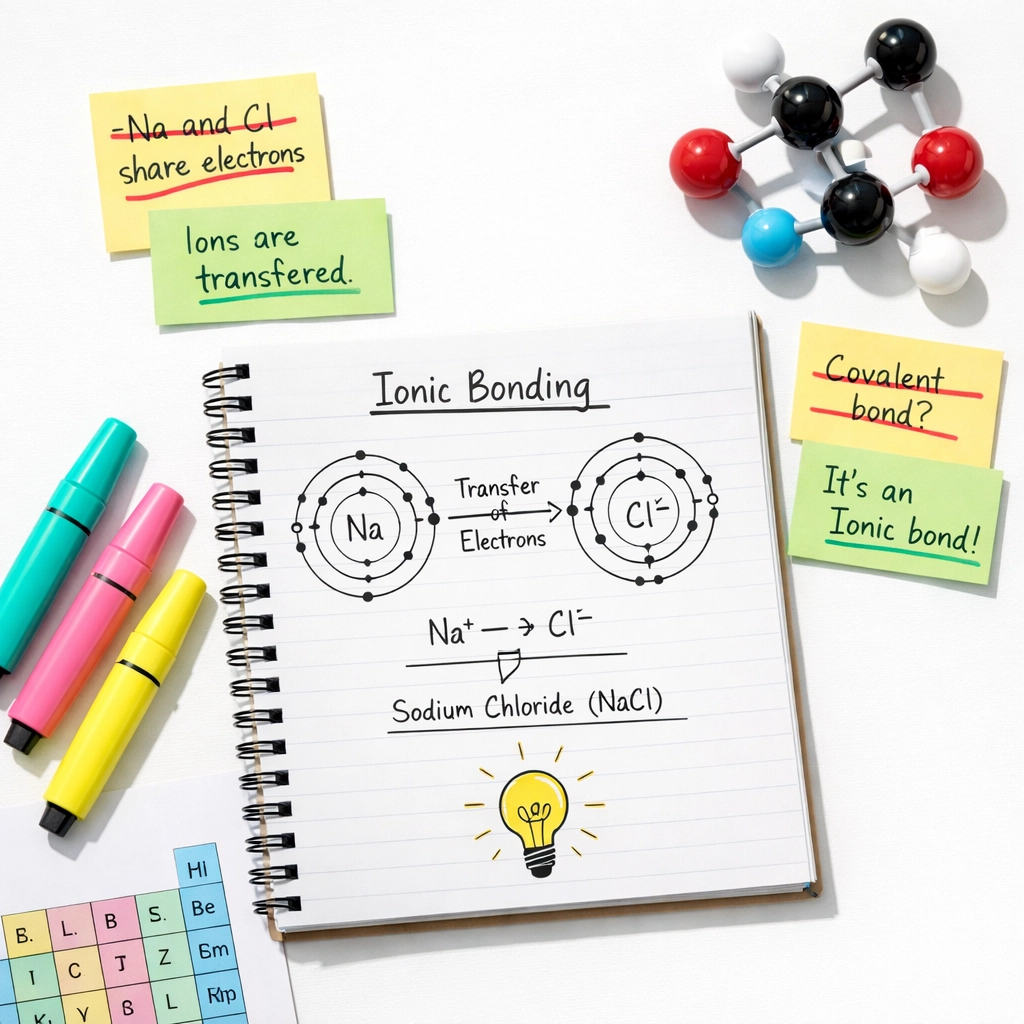
During our four-day intensive course, we actively hunt for these misconceptions. We ask the questions that expose them. We create scenarios where they become visible. And then we work through them, carefully and thoroughly, until the understanding is solid.
For example, many students can calculate energy changes in reactions. But do they truly understand why bond breaking requires energy while bond formation releases it? Can they explain it without falling back on memorised phrases? Can they apply that understanding to an unfamiliar reaction they’ve never seen before?
This is where the magic happens: and where a generic revision course, or self-study, often falls short.
Expert-Led Feedback That Goes Beyond the Mark Scheme
All three of our classes are taught by qualified, experienced science teachers. I spent years teaching at Alleyn’s School before founding Success in STEM, and my colleagues Ruth and Kate bring similar depth of experience from their own backgrounds in selective and independent schools.
This matters more than you might think.
Anyone can mark an answer against a mark scheme and tell a student whether they’ve got the point. What takes expertise is understanding why a student made a particular error, what underlying confusion led them there, and how to address it in a way that sticks.
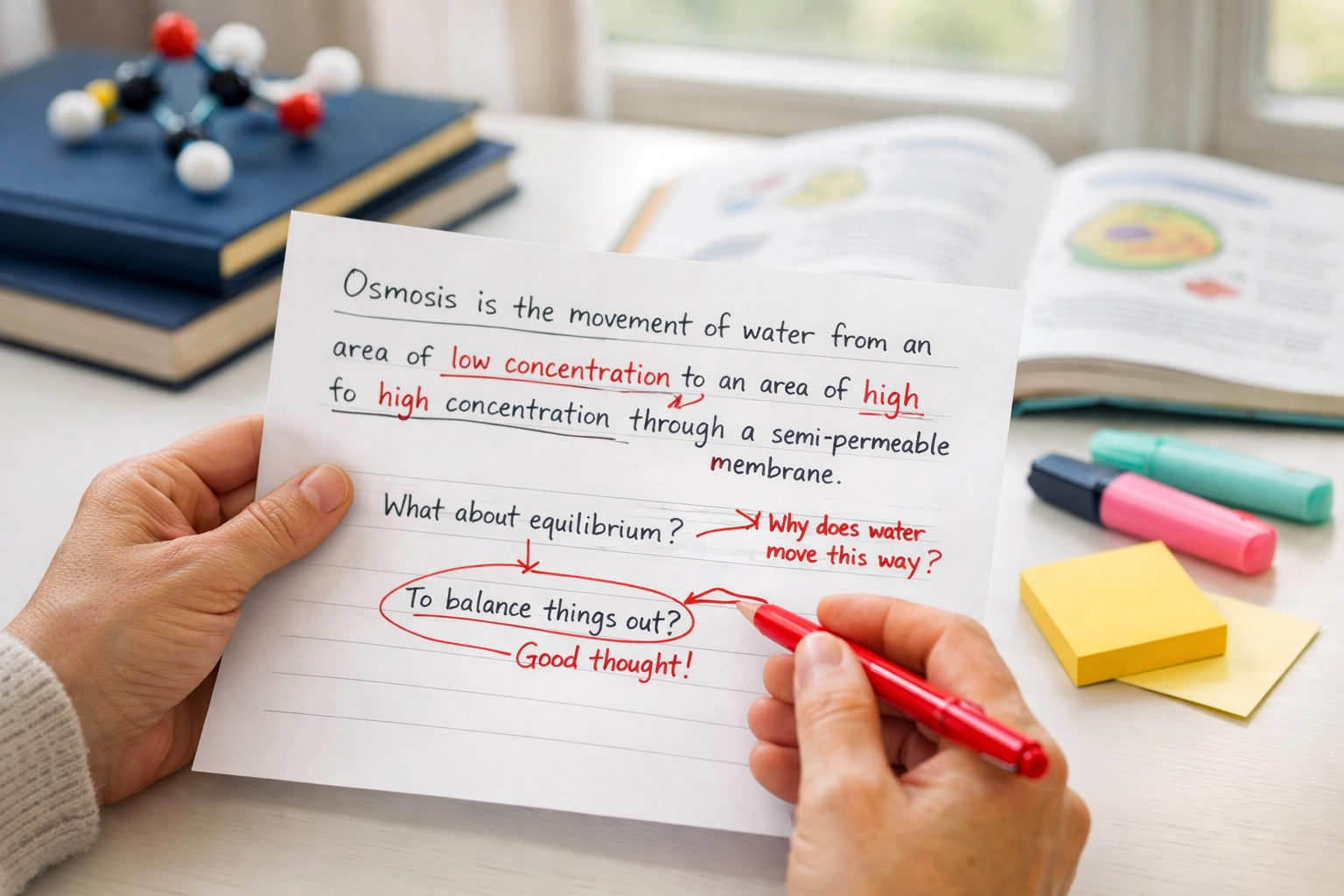
When a student writes an answer about osmosis that’s nearly right but misses the mark, we don’t just correct it. We dig into their thinking. We find out what model they’re holding in their head. We identify where that model is serving them well and where it’s leading them astray. Then we help them refine it.
This level of feedback simply isn’t possible from a textbook, an online video, or even from well-meaning parents trying to help at home. It requires someone who has seen hundreds of students work through these concepts, who knows the common pitfalls, and who can adapt their explanation to the individual student in front of them.
The Specialist Advantage
One of the unique features of our Easter course is that students work with three different subject specialists over the four days. I teach the chemistry sessions, Ruth covers biology, and Kate leads physics.
This might seem like a small detail, but it makes a considerable difference. Each of us brings deep subject knowledge and genuine enthusiasm for our specialism. We’re not generalists trying to cover everything: we’re experts who live and breathe our subject.
This depth shows up in unexpected ways. It’s there in the way we can anticipate exactly which parts of a topic students will find counterintuitive. It’s there in the analogies we use, honed over years of explaining these concepts. It’s there in our ability to answer the “but what about…?” questions that curious, high-achieving students inevitably ask.
What the Four Days Actually Look Like
We run intensive, focused sessions each morning from 9:00 AM to 12:30 PM. The pace is brisk but never frantic. We cover substantial ground, but there’s always time to pause when something needs deeper exploration.
Each session follows a similar pattern: we begin by identifying the key concepts that students need to master for this topic. Then we work through them systematically, using a mixture of explanation, worked examples, and practice questions. Crucially, we spend time discussing answers: not just whether they’re right or wrong, but why, and how they could be improved.
Throughout, we’re watching for those misconceptions. We’re noting which students are confident with certain ideas and which need more support. We’re adjusting our approach in real-time based on what we’re seeing.
The atmosphere is studious but supportive. Students work hard, but they also help each other. There’s often a moment each day when a concept suddenly clicks for someone, and you can see the satisfaction spread across their face. Those moments are why we do this.
Why Now, and Why This Matters
The timing of our Easter course is very deliberate. By April, most schools have covered the vast majority of GCSE content. Students have sat mocks. They know what their weak areas are. But there’s still time: just about: to address those weaknesses before the real exams begin.
This window is precious. Leave it much later, and anxiety starts to overshadow learning. Come much earlier, and students haven’t yet had the feedback from mocks that helps them know where to focus.
Four days might not sound like much, but when those days are intensive, expert-led, and precisely targeted at the skills that separate good results from exceptional ones, they can make a very real difference.
The Final Call for 2026
We keep our groups small deliberately: usually between eight and twelve students. This allows us to give meaningful individual attention while maintaining that productive group dynamic.
With two of our three classes now full, we’re down to our last remaining spots. This isn’t a sales tactic; it’s simply where we are. We’ve been heartened by the response from families across South London who understand the value of specialist, high-quality revision support.
If this sounds like something that might benefit your child: if they’re aiming for those top grades and would thrive in a focused, intellectually stimulating environment: we’d be delighted to welcome them.
The course runs from 7th to 10th April 2026 at Harris Boys Academy in East Dulwich. You can find all the details and secure your child’s place at https://www.success-in-stem.com/easter-gcse-science-revision-course-2026.
We look forward to working with your child and helping them achieve the results their hard work deserves.


Oxford-Educated Chemistry Specialist
With over 20 years of teaching experience at some of the UK’s top independent schools, I help ambitious students bridge the gap between hard work and top-tier results. I specialise in GCSE, A Level, and IB Chemistry tuition for students targeting Grade 9s and A*s. Based in the UK but working globally, I provide 1-1 online support for families in South and West London, Dubai, and Hong Kong, ensuring students are perfectly prepared for competitive medical applications and Oxbridge entries.
I’ve helped students achieve top grades from schools such as Alleyn’s, Dulwich College, Tonbridge, Sevenoaks, Brighton College, Wycombe Abbey, Caterham, St Paul’s, Dubai College, Dubai British School and Harrow International School Hong Kong.
Contact me archardchloe@gmail.com to discuss how I can help your child excel in Chemistry.