

Blog
Intellectual Bravery: Why Oxbridge Tutors Value the ‘Wrong’ Answer More Than the Right One


When most parents imagine an Oxbridge interview, they picture a nerve-wracking scene: their child sitting across from a stern-faced academic, desperately trying to recall the correct answer to an impossible question. Get it right, and the doors swing open. Get it wrong, and that’s it , application over.
But here’s what we’ve learned after years of preparing students for these interviews: that entire picture is wrong.
The truth is far more reassuring , and far more interesting.
What Oxbridge Tutors Are Really Looking For
Oxbridge interviews, particularly in Science and STEM subjects, aren’t designed to test what your child already knows. They’re designed to reveal how your child thinks.
An admissions tutor sitting across the table from a seventeen-year-old isn’t ticking boxes on a mark scheme. They’re asking themselves: “Could I teach this student? Would they thrive in my tutorials? Can they engage with ideas that challenge them?”
The answer to those questions doesn’t lie in reciting textbook facts. It lies in something we call intellectual bravery , the willingness to engage with a problem you don’t immediately know the answer to, and to keep thinking even when you’re unsure.
This matters because university-level Science isn’t about memorising the periodic table. It’s about grappling with questions no one has answered yet. Tutors want to see early evidence that a student can handle that kind of intellectual discomfort.
The ‘Wrong’ Answer That Shows You’re Thinking
Let’s take a real example from a Chemistry interview.
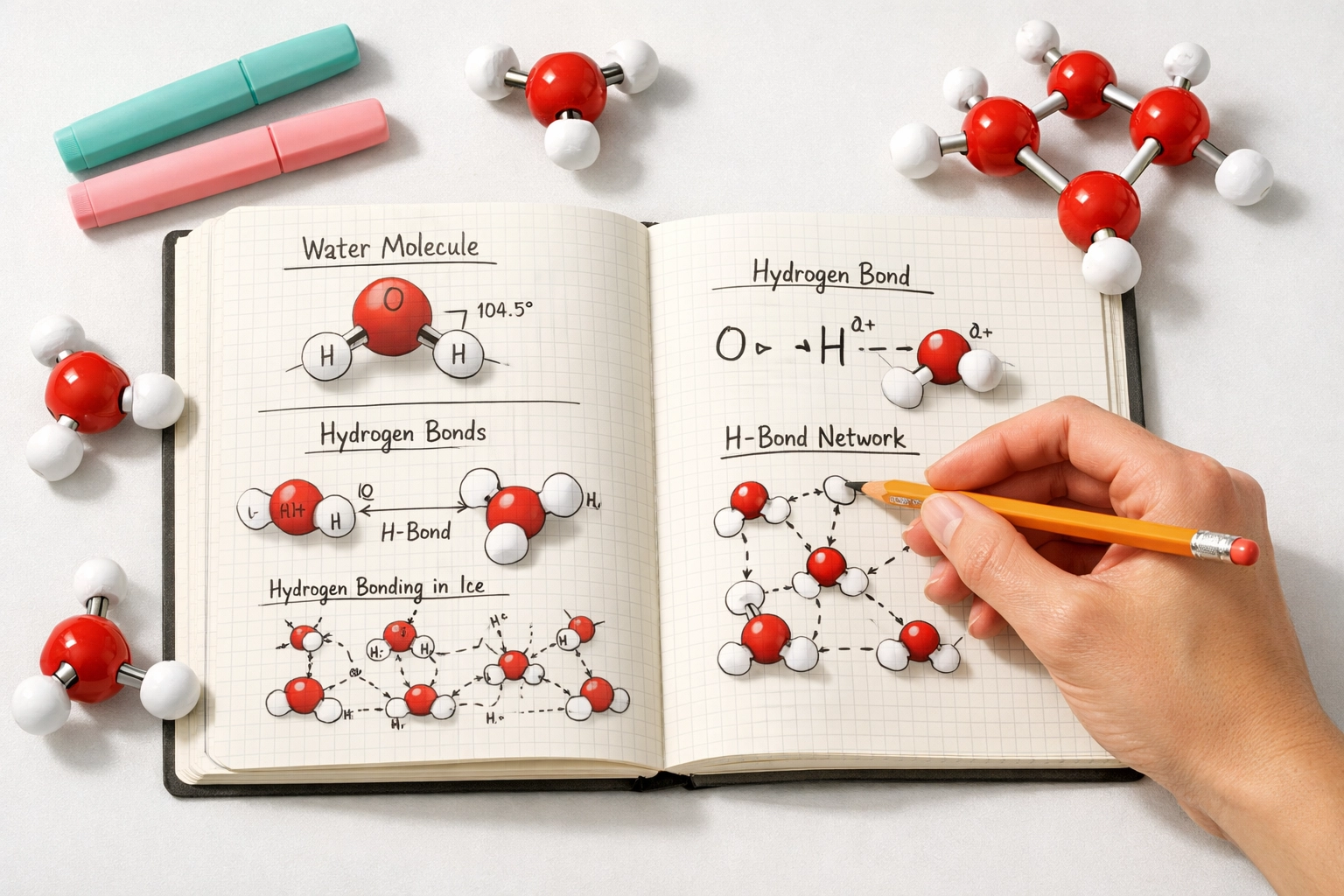
A tutor might ask: “Why doesn’t ice sink?”
Your child might immediately think: “Because it’s less dense than water.” That’s correct , but it’s also a GCSE-level answer. The tutor already knows your child knows that. So they’ll push further.
“Yes, but why is ice less dense than water? Most solids are denser than their liquid form.”
Now we’re in more interesting territory. Your child might pause. They might start to speculate about molecular structure, hydrogen bonding, or the way water molecules arrange themselves. They might even say something that isn’t quite right , perhaps they suggest the molecules are “packed more loosely” or “spread out more.”
Here’s the crucial point: the tutor doesn’t care if that initial explanation is wrong.
What they care about is whether your child can think their way towards a better explanation. Can they respond to a follow-up question? Can they adjust their thinking when the tutor offers a hint? Do they show curiosity about why their first answer might not be complete?
This is what intellectual bravery looks like. It’s not about having all the answers memorised. It’s about being comfortable enough with uncertainty to keep engaging with the problem.
Why the Process Matters More Than the Answer
We see this same principle play out in our tutoring sessions at Success in STEM, particularly when we’re working with high-achieving students preparing for top-tier universities.
A student might struggle with a question about reaction mechanisms or equilibrium shifts. Their first instinct is often to apologise, to feel they’ve “failed” because they didn’t know the answer immediately.
But we explain to them , just as Oxbridge tutors would , that the struggle is the learning. The moment when you don’t know what to do next is precisely when real thinking begins.
Oxbridge tutors are looking for students who can:
- Articulate their thought process clearly, even when uncertain
- Respond to guidance and adjust their approach based on hints
- Ask clarifying questions rather than freeze in silence
- Make logical connections between concepts they already understand
- Stay calm and engaged even when the problem feels impossible
None of these qualities depend on getting the “right” answer straight away. In fact, a student who arrives at the correct answer too quickly often doesn’t get the chance to demonstrate these deeper skills.
The Difference Between GCSE Thinking and Oxbridge Thinking
This is where many students , even very bright ones , find the transition challenging.
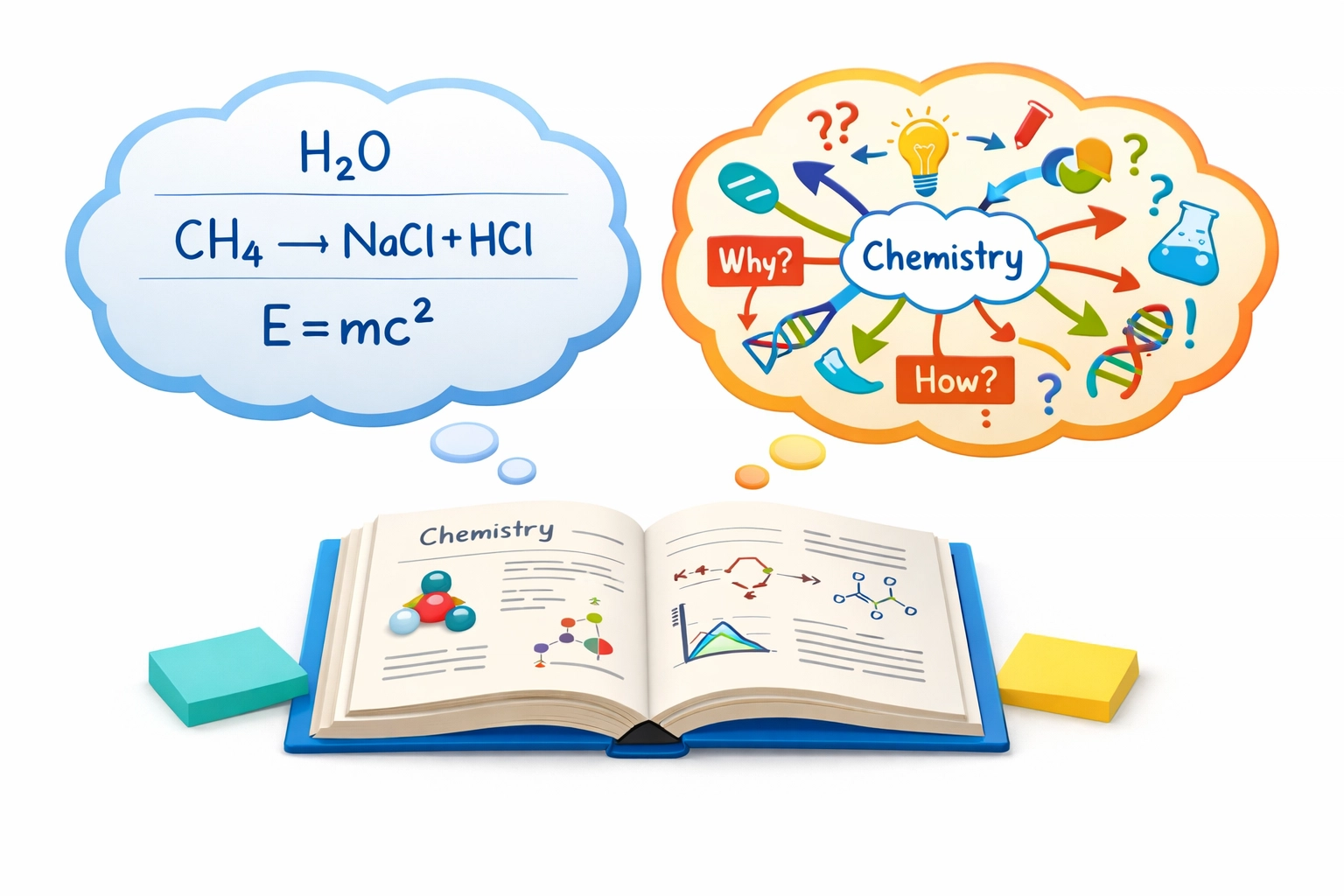
At GCSE level, Science is largely about recall and application. Learn the content, practise the method, apply it to the question. If you’ve prepared well, you should know the answer.
But Oxbridge interviews deliberately go beyond that. Tutors aren’t testing your GCSE knowledge (they can see your predicted grades). They’re testing your capacity for independent thought.
This is why we structure our GCSE Science Revision Course in Dulwich the way we do. Yes, we cover the content thoroughly , students need that solid foundation to hit those Grade 9s and A*s. But we also consistently ask *why*.
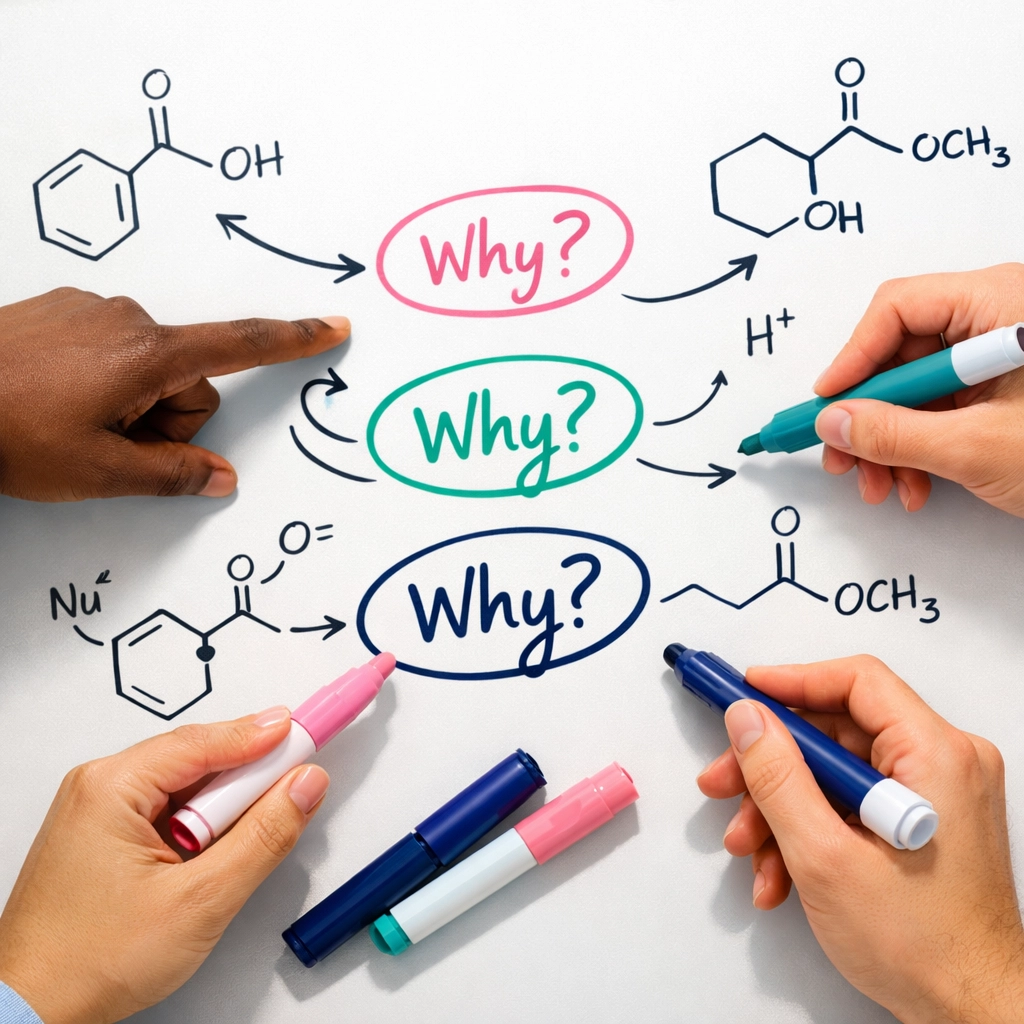
Why does this reaction happen? Why is this the more stable arrangement? Why would changing the conditions shift the equilibrium this way and not that way?
Our tutors , Kate, Chloe, and Ruth , don’t just accept correct answers. We push students to explain their thinking, to justify their reasoning, and to stay curious even when the answer is technically “right.” This approach builds the exact intellectual muscles that Oxbridge tutors are looking for.
What Intellectual Bravery Actually Looks Like
Let’s be clear: intellectual bravery doesn’t mean wild guessing or inventing science. It means engaging thoughtfully with problems that push you beyond your comfort zone.
It’s the student who says, “I’m not sure, but I think it might be related to the electron arrangement we talked about earlier. Could you tell me if I’m on the right track?”
It’s the student who hears a follow-up question and pauses to think, rather than panicking or repeating their first answer more loudly.
It’s the student who can say, “Actually, I think what I just said contradicts what you mentioned earlier. Can we go back to that?”
These are all signs of a mind that’s actively working, not just retrieving. And that’s what elite universities want.
Preparing for This Level of Thinking
The good news is that intellectual bravery can be practised. It’s not an innate gift some students have and others don’t.
It develops through repeated exposure to questions that don’t have immediate answers, in an environment where getting stuck is treated as a normal part of learning rather than a failure.
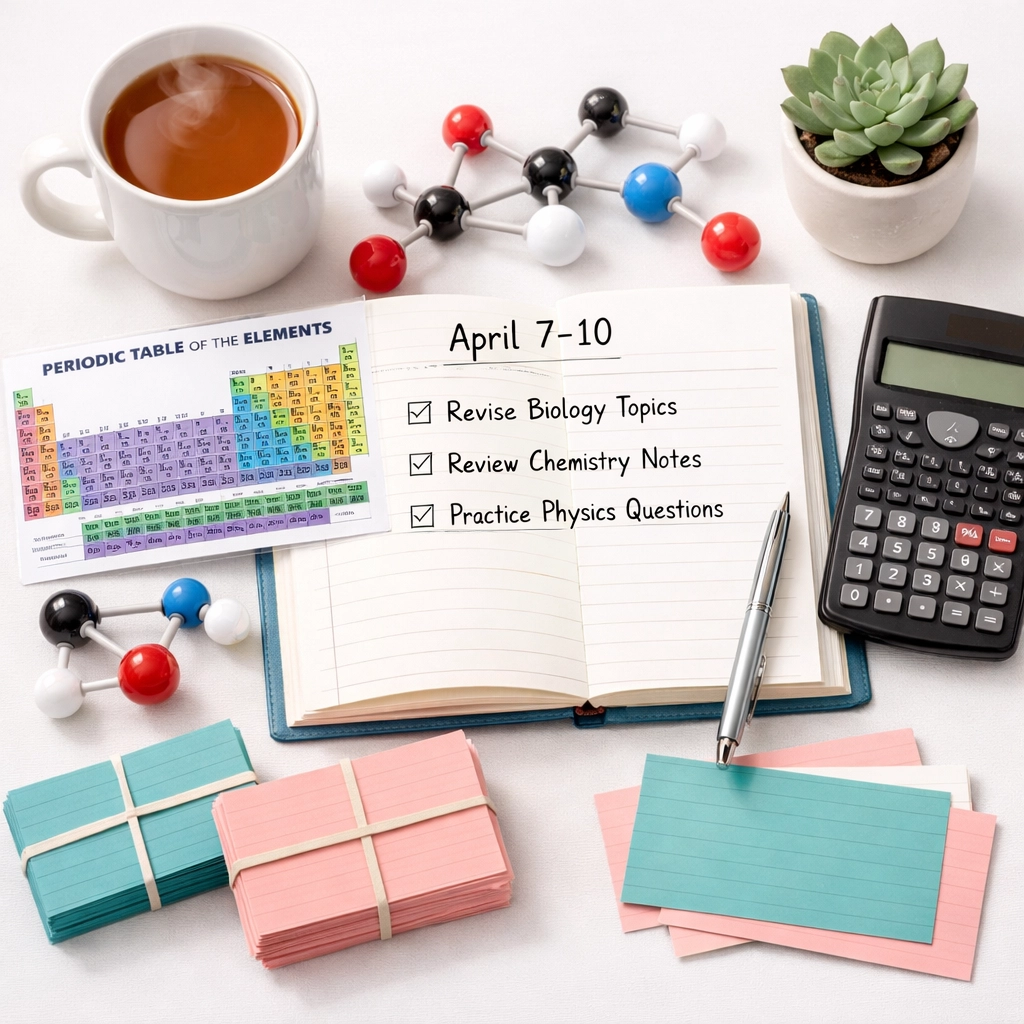
This is precisely the environment we create during our intensive revision courses. When we work with students at Harris Boys’ Academy over the Easter period (April 7-10), we deliberately incorporate Oxbridge-style questions into our sessions.
Not because every student is applying to Oxbridge : though many are : but because this style of thinking elevates performance across the board. A student who can explain why the rate of reaction increases with temperature will outperform a student who simply memorises “higher temperature = faster reaction.”
It’s the difference between surface-level revision and deep understanding. And that difference shows up in exam results, especially at the top end of the grade boundaries where a few marks separate a Grade 8 from a Grade 9.
The Long-Term Advantage
There’s another benefit to developing intellectual bravery early: it prepares students for the reality of university-level Science.
Whether your child ends up at Oxford, Cambridge, Imperial, or any other research-intensive university, they’ll spend much of their degree engaging with problems that don’t yet have known answers. That’s what research is.
The students who thrive aren’t necessarily the ones who arrived with the highest GCSE scores. They’re the ones who can sit with uncertainty, who can think laterally, and who can engage constructively with ideas that challenge them.
These skills matter in the corporate world too. The analytical rigor, the comfort with complexity, the ability to articulate reasoning clearly : all of this translates directly into careers in finance, consulting, medicine, engineering, and beyond.
So when we focus on the why during our GCSE Science Revision Course in South London, we’re not just helping students hit their Grade 9 targets (though we absolutely are doing that). We’re building the intellectual foundations for long-term success.
Why Easter Matters
The Easter period represents a unique window. Exams are close enough that students are focused and motivated, but far enough away that there’s still time to shift from surface revision to deeper understanding.
Over four concentrated days at Harris Boys’ Academy, we work with small groups to build both the content knowledge and the thinking skills that top students need. Kate, Chloe, and Ruth bring years of experience preparing students not just for exams, but for the intellectual demands of top-tier universities.
We keep the groups small deliberately. This level of teaching : where we’re constantly asking students to explain their reasoning and defend their thinking : requires individual attention. Every student needs the space to voice their thought process, to make mistakes in a supportive environment, and to build confidence in their ability to tackle unfamiliar problems.
If your child is aiming for the highest grades, and if you’re thinking about their longer-term academic trajectory, this is the kind of preparation that makes the difference.
Moving Beyond Fear of Being Wrong
Perhaps the most important shift we help students make is moving beyond the fear of being wrong.
In most classroom settings, being wrong feels like failure. Students learn to stay quiet rather than risk an incorrect answer. But this caution : while understandable : actively works against them in Oxbridge interviews and in higher-level academic settings.
We teach students that being wrong thoughtfully is far more valuable than being right mechanically. A wrong answer that you can reason through and learn from demonstrates intellectual maturity. A right answer that you can’t explain suggests you’ve just memorised well.
Oxbridge tutors don’t want students who’ve memorised everything. They want students who can think.
Your Next Step
Our GCSE Science Revision Course in Dulwich runs April 7-10 at Harris Boys’ Academy. Places are limited : we cap groups to ensure every student gets the individual attention this style of teaching requires.
If this approach resonates with you, if you want your child to develop not just exam technique but genuine scientific thinking, we’d be very happy to welcome them.
You can find full details and book here.
These four days could be the difference between a good grade and an exceptional one : and more importantly, between surface-level understanding and the kind of deep intellectual confidence that serves students for years to come.

Oxford-Educated Chemistry Specialist
With over 20 years of teaching experience at some of the UK’s top independent schools, I help ambitious students bridge the gap between hard work and top-tier results. I specialise in GCSE, A Level, and IB Chemistry tuition for students targeting Grade 9s and A*s. Based in the UK but working globally, I provide 1-1 online support for families in South and West London, Dubai, and Hong Kong, ensuring students are perfectly prepared for competitive medical applications and Oxbridge entries.
I’ve helped students achieve top grades from schools such as Alleyn’s, Dulwich College, Tonbridge, Sevenoaks, Brighton College, Wycombe Abbey, Caterham, St Paul’s, Dubai College, Dubai British School and Harrow International School Hong Kong.
Contact me archardchloe@gmail.com to discuss how I can help your child excel in Chemistry.