

Blog
The Cambridge NatSci Blueprint: How to Secure Your Place on the UK’s Most Flexible Science Degree


If you’re the kind of student who loves all the sciences but can’t quite imagine dropping one just yet, then Cambridge Natural Sciences (NatSci) is probably already on your radar. And for good reason! 🌟
NatSci is the gold standard for academically ambitious students who want to keep their options open. It’s the UK’s most flexible science degree, allowing you to explore everything from biology to chemistry to physics before you specialise. You can even dabble in geology, materials science, or evolution, all within the same degree programme.
But here’s the reality check: with an offer rate of around 25%, securing your place is no walk in the park. You’re competing against some of the brightest minds in the country, and every single element of your application needs to shine.
As an Oxford graduate myself, I’ve been on both sides of this process, and I can tell you firsthand that expert preparation makes all the difference. Let’s break down exactly what you need to know.
Why Chemistry is Your Secret Weapon for NatSci 🧪
Here’s something many applicants don’t realise: Chemistry sits right at the heart of Natural Sciences. Whether you’re leaning towards the biological or physical sciences pathway, the chances are high that you’ll choose Chemistry as one of your first-year modules.
And this is where things get interesting. While Maths and Physics might feel more “impressive” to some students, Chemistry is actually the most versatile science for NatSci applicants. It bridges the gap between the living and non-living world, giving you access to everything from biochemistry and pharmacology to materials science and environmental chemistry.
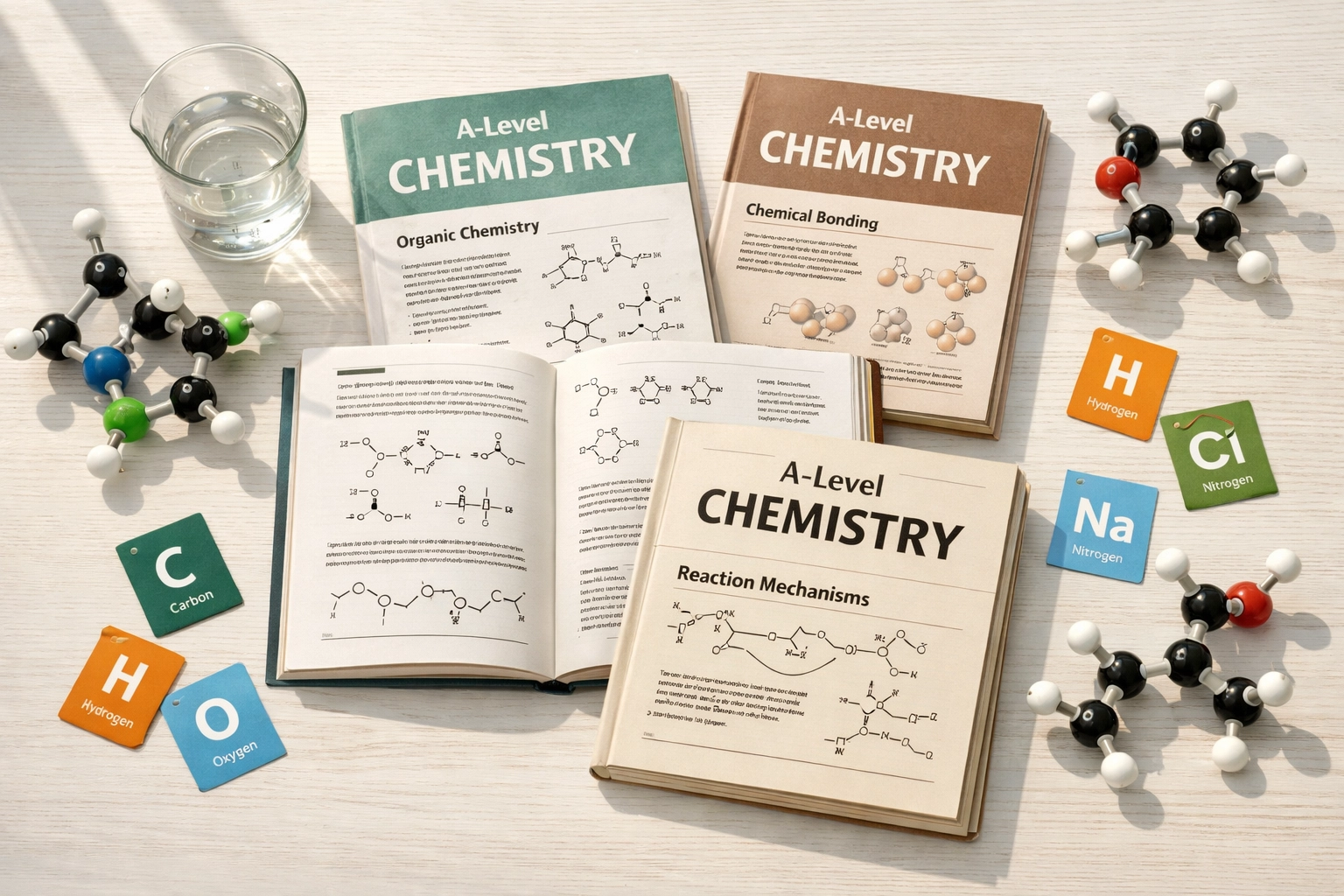
But here’s the catch: A-Level Chemistry is notoriously demanding, and Cambridge expects you to have an absolutely rock-solid foundation before you even arrive. You can’t bluff your way through organic mechanisms or energetics when you’re sitting across from a Cambridge admissions tutor in December.
That’s exactly why so many of my students come to me specifically for Chemistry mastery, because they know that this subject can be the difference between an offer and a rejection. If you’re serious about NatSci, your Chemistry needs to be flawless. No gaps, no weaknesses, no “I’ll figure it out later.”
Decoding the Entry Requirements: What It Really Takes
Let’s talk numbers. The official minimum is AAA, with both A* grades in science or mathematics subjects. You’ll need Mathematics plus two additional science/mathematics subjects (Biology, Chemistry, Physics, or Further Maths).
But here’s what the admissions statistics won’t tell you: most successful applicants actually achieve AAA. That third A isn’t technically required, but it’s becoming the unspoken standard for competitive applicants, especially if you’re applying from a top independent school or highly competitive state sixth form.
The Subject Combination That Works
The safest combinations are:
- Chemistry, Maths, Physics (for Physical NatSci)
- Biology, Chemistry, Maths (for Biological NatSci)
Notice anything? Chemistry appears in both. This isn’t a coincidence, it’s because Chemistry is the connective tissue of the Natural Sciences. You simply can’t escape it, so you might as well master it now.
If you’re an IB student, you’re looking at 41-42 points with 776 at Higher Level, meeting the same subject requirements (Mathematics at HL, plus two other science/mathematics subjects at HL).
The ESAT: Your First Real Hurdle 📝
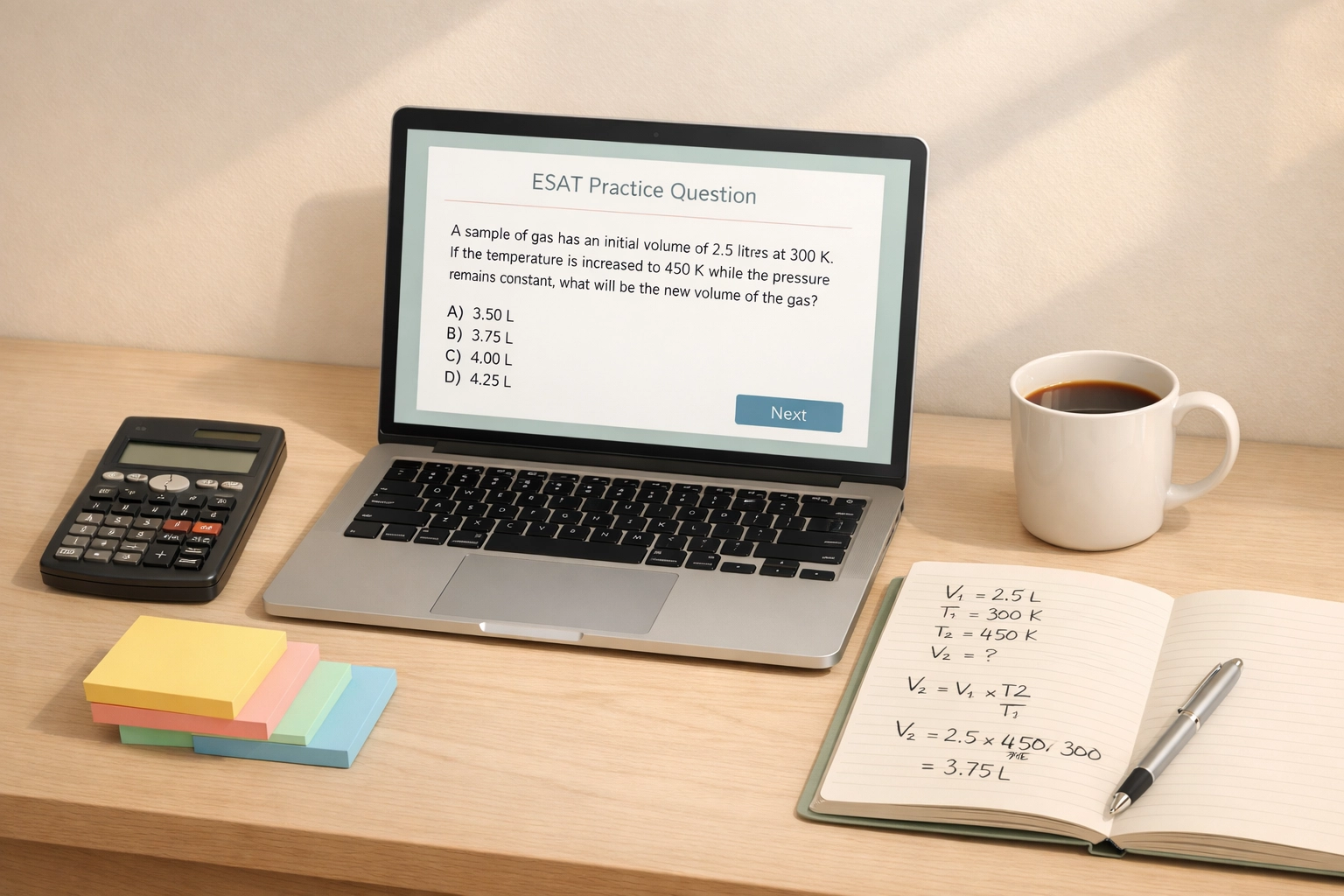
Cambridge recently switched from the NSAA to the ESAT (Engineering and Science Admissions Test), and this is where many applicants stumble. The ESAT tests your aptitude across Biology, Physics, Chemistry, and Maths, it’s not just about what you know, but how you think under pressure.
Here’s my advice: start preparing early, just like you would for your A-Levels. Don’t leave it until October and think you can cram. The students who do well on the ESAT are the ones who’ve been building problem-solving skills all along, not just memorising facts.
And yes, Chemistry features heavily. You’ll face questions on energetics, kinetics, equilibria, and organic mechanisms, all areas where students commonly make silly mistakes under timed conditions. This is exactly why having an expert tutor who can drill you on exam technique is so valuable.
The Personal Statement & MyCapp: Show Them Why You’re Different
Your Personal Statement (or MyCapp application) is your chance to demonstrate that you’re not just academically capable, you’re genuinely passionate about science.
Cambridge tutors want to see super-curricular engagement. That means:
- Reading beyond the syllabus (popular science books, research papers, New Scientist articles)
- Chemistry or Science Olympiads (UK Chemistry Olympiad, British Biology Olympiad)
- Independent projects (Did you build something? Research something? Investigate something?)
- Why Cambridge specifically? Don’t just say “it’s prestigious”, talk about the interdisciplinary approach and the freedom to explore multiple sciences before specialising
And here’s the key: everything you mention, you must be able to discuss in depth. If you write about a chemistry concept in your statement, expect to be grilled on it in your interview. Don’t name-drop topics you don’t truly understand. Authenticity is everything.
The Interview: An Oral Admissions Test (And How to Ace It) 💬
Let’s be honest: the Cambridge interview is intimidating. But here’s how to reframe it: it’s not an interrogation, it’s an oral admissions test. The tutors want to see how you think, not just what you know.
You’ll be given unfamiliar problems to solve on the spot, often chemistry questions you’ve never seen before. The tutor might give you hints, challenge your assumptions, or ask you to apply A-Level concepts in completely new ways.
This is where deep understanding separates the successful from the rejected. If you’ve just memorised your A-Level Chemistry notes, you’ll crumble. But if you’ve worked with an expert tutor who’s pushed you to think critically, you’ll thrive.
Here’s what Cambridge interviewers are looking for:
- Can you absorb new information quickly?
- Can you apply familiar concepts to unfamiliar situations?
- Can you communicate your thought process clearly?
- Do you show genuine curiosity and enthusiasm?
If you can answer “yes” to all four, you’re in great shape. If not, you’ve got work to do.
It’s a Marathon, Not a Sprint 🏃♀️
Here’s the truth: getting into Cambridge NatSci isn’t about one brilliant Personal Statement or one stellar interview. It’s about consistent, sustained excellence across every element of your application.
You need:
✅ Top grades (realistically AAA*)
✅ ESAT preparation starting months in advance
✅ Super-curricular engagement that’s genuine and deep
✅ Interview readiness built on real understanding, not rote learning
And underpinning all of this? A-Level Chemistry mastery. Because if your foundation in Chemistry is shaky, everything else becomes infinitely harder.
This is where expert mentorship becomes the difference-maker. I’ve worked with dozens of students targeting Oxbridge, and the ones who succeed are the ones who start early, work consistently, and get expert guidance along the way.
Ready to Build Your NatSci Application?
Whether you’re in Year 12 and just starting to think about Cambridge, or you’re in Year 13 with your ESAT looming, there’s no better time to strengthen your Chemistry foundation than right now.
I offer one-to-one mentoring specifically designed for ambitious students targeting top universities. We’ll work together to:
- Master A-Level Chemistry with the depth Cambridge expects
- Develop problem-solving skills for the ESAT and interviews
- Build super-curricular knowledge that genuinely excites you
- Prepare for Oxbridge interviews with confidence
Because at the end of the day, Cambridge NatSci isn’t just about being clever: it’s about being prepared, passionate, and ready to think like a scientist. And that’s exactly what I help my students become. 🌟
Let’s start your Cambridge journey together. Book a session today, and let’s make sure your Chemistry is Oxford-standard (or even better: Cambridge-standard 😉).

Oxford-Educated Chemistry Specialist
With over 20 years of teaching experience at some of the UK’s top independent schools, I help ambitious students bridge the gap between hard work and top-tier results. I specialise in GCSE, A Level, and IB Chemistry tuition for students targeting Grade 9s and A*s. Based in the UK but working globally, I provide 1-1 online support for families in South and West London, Dubai, and Hong Kong, ensuring students are perfectly prepared for competitive medical applications and Oxbridge entries.
I’ve helped students achieve top grades from schools such as Alleyn’s, Dulwich College, Tonbridge, Sevenoaks, Brighton College, Wycombe Abbey, Caterham, St Paul’s, Dubai College, Dubai British School and Harrow International School Hong Kong.
Contact me archardchloe@gmail.com to discuss how I can help your child excel in Chemistry.