

Blog
The Chemistry of Luxury: From Sustainable Diamonds to High-End Perfumery

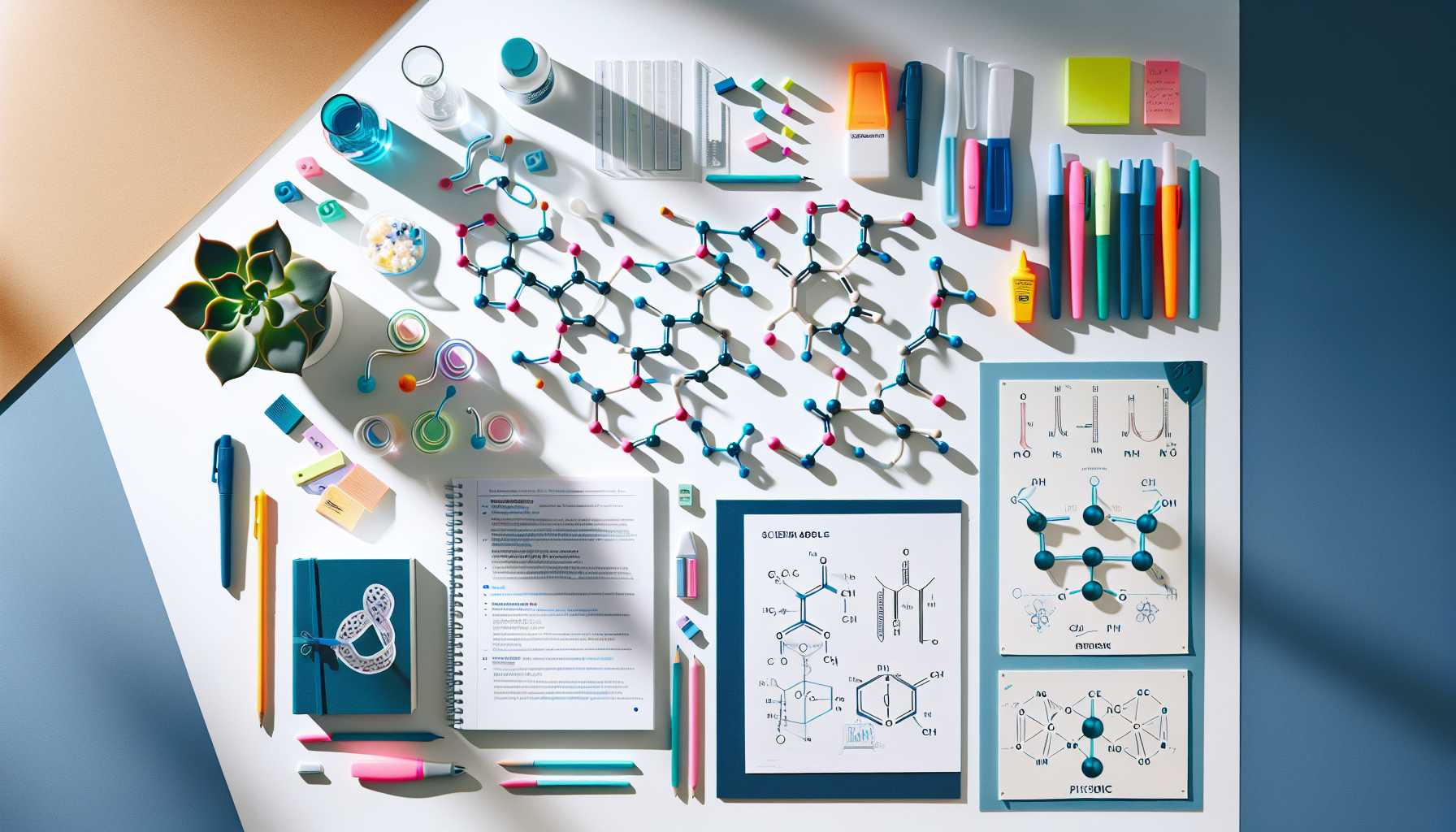
You want your child to have a career that’s both intellectually stimulating and financially rewarding. I get it. As parents, we invest so much in our children’s education: not just financially, but emotionally too. And while Medicine and Finance are the traditional “safe bets” for high-achievers, there’s a world of prestigious, lucrative career paths that many families simply don’t know about.
Let me introduce you to something extraordinary: the chemistry of luxury goods. 💎✨
A top-tier Chemistry degree doesn’t just lead to lab coats and test tubes. It opens doors to the exclusive world of high-end perfumery, sustainable diamonds, and luxury skincare: industries where science meets sophistication, and where six-figure salaries are the norm for talented graduates.
This isn’t about abandoning ambition. It’s about expanding the definition of success beyond the stethoscope and the trading floor.
The Art and Science of High-End Perfumery
Imagine your child designing a bespoke fragrance for Chanel, Dior, or Tom Ford. Not as a celebrity endorser, but as the fragrance chemist who actually creates the scent.
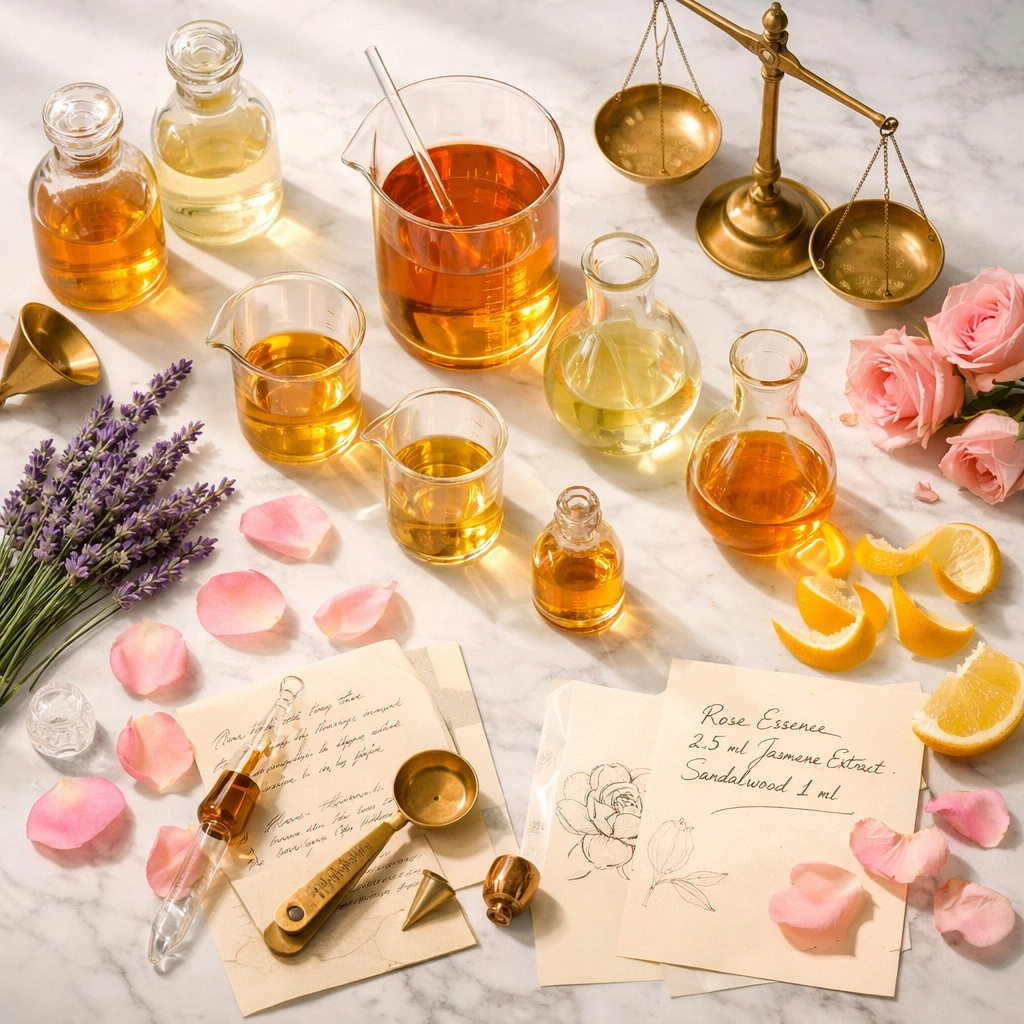
High-end perfumery is one of the most intellectually demanding and creatively fulfilling careers in chemistry. It requires a deep understanding of organic chemistry, molecular structure, and olfactory science: the ability to predict how different molecules will interact and evolve on human skin over time.
Here’s what most people don’t realise: every iconic fragrance: whether it’s a £300 bottle of Creed Aventus or a limited-edition Hermès scent: is the result of years of chemical precision. Fragrance chemists (also called perfumers or “noses”) work with hundreds of natural and synthetic compounds, balancing volatility, stability, and scent diffusion to create something truly unforgettable.
The pay? Senior fragrance chemists at luxury houses can earn £70,000–£120,000+ annually, with creative directors at companies like Givaudan or Firmenich commanding even higher salaries. And the work itself? It’s as much art as it is science: a rare combination that appeals to students who want both intellectual rigour and creative expression. 🌸
But here’s the kicker: getting into this field requires a Chemistry degree from a top university. Employers want graduates who understand reaction mechanisms, functional groups, and analytical techniques inside out. That foundation starts with A Level Chemistry: and ideally, an A*.
Sustainable Diamonds: The Future of Fine Jewellery
Let’s talk about diamonds. Specifically, lab-grown diamonds: one of the fastest-growing sectors in the luxury goods market. 💍
The traditional diamond industry is facing a reckoning. Mining is environmentally devastating, ethically murky, and increasingly unappealing to younger, conscious consumers. Enter materials scientists and chemical engineers, who are revolutionising the industry with lab-grown diamonds that are chemically identical to mined stones.

There are two main methods for creating lab-grown diamonds:
- High-Pressure, High-Temperature (HPHT): Mimicking the natural conditions deep within the Earth’s mantle.
- Chemical Vapor Deposition (CVD): The more common method, where a diamond seed is placed in a sealed chamber heated to around 800°C. A mixture of hydrogen and methane is ionized into plasma, breaking down the molecules so pure carbon atoms bond to the seed, layer by layer.
The result? A diamond that’s Type IIa: the purest grade, free from nitrogen impurities. Only 5% of mined diamonds achieve this classification.
But here’s what makes this a game-changer for chemistry graduates: lab-grown diamonds are not only more ethical: they’re also dramatically more sustainable. Compared to mined diamonds, lab-grown stones use:
- 0.3 litres of water per carat (versus 7,300 litres for mined diamonds)
- 12 kg of CO₂ per carat (versus 160 kg for mined diamonds)
When produced with renewable energy, they can achieve carbon-neutral status.
Materials scientists specialising in diamond synthesis are in high demand, working for companies like De Beers, Pandora, and emerging luxury brands focused on sustainability. Salaries for experienced materials chemists in this sector start at £50,000 and quickly climb to £80,000+ with experience. And the prestige? Unmatched. You’re working at the intersection of cutting-edge science and timeless luxury. ✨
Luxury Skincare: The £500 Serum Revolution
Let’s get real: behind every £500 La Mer serum or cult-favourite Augustinus Bader moisturiser is a team of formulation chemists who understand the science of skin at a molecular level.
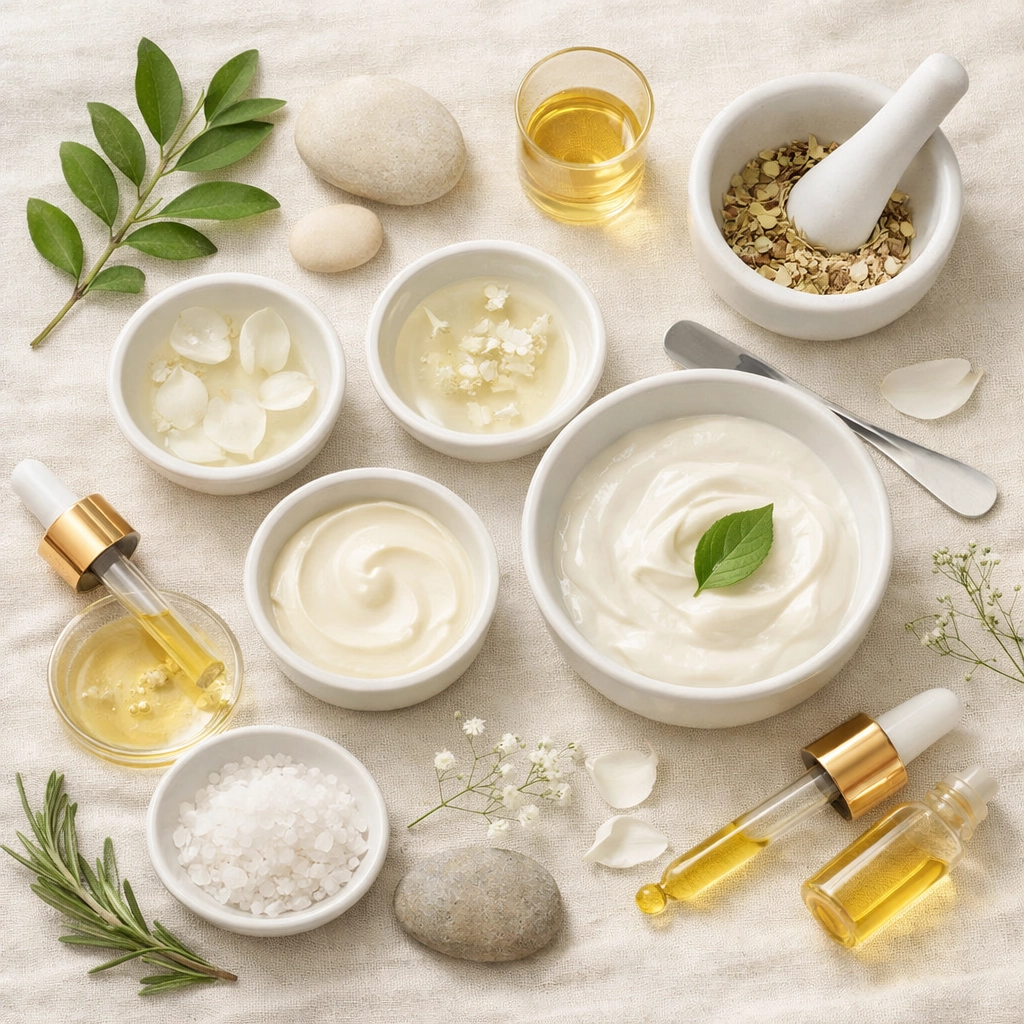
This isn’t just mixing ingredients in a bowl. Formulation scientists working in luxury skincare (often called cosmeceuticals) are experts in:
- Active ingredient chemistry: Understanding how retinoids, peptides, hyaluronic acid, and antioxidants interact with skin cells.
- Stability and delivery systems: Ensuring that active ingredients remain effective throughout the product’s shelf life and penetrate the skin barrier efficiently.
- Regulatory compliance: Navigating strict regulations from bodies like the EU and FDA.
The luxury beauty industry is booming, and formulation chemists are commanding impressive salaries: starting at £45,000 for graduates and reaching £70,000–£100,000+ for senior roles at brands like Estée Lauder, L’Oréal Luxe, or niche houses like Drunk Elephant.
What makes this career particularly appealing? It combines rigorous science with tangible, visible results. Your child’s work doesn’t sit in a research paper: it sits on the shelves of Harrods, Selfridges, and high-end spas around the world. 🌟
And once again, the entry ticket is a strong Chemistry degree: which means excelling in A Level Chemistry from the very start.
The Royal Society of Chemistry Says: This Is Where the Money Is
I always encourage my students and their families to look at industry insights from trusted bodies like the Royal Society of Chemistry (RSC). And here’s what they’re saying: luxury goods, materials science, and cosmetic chemistry are among the fastest-growing, highest-paying sectors for Chemistry graduates.
The RSC’s “Future in Chemistry” reports consistently highlight:
- Growing demand for chemists in niche, high-value industries
- Above-average starting salaries in luxury and materials sectors
- Career progression opportunities that rival traditional STEM paths like Medicine
This isn’t speculation: it’s backed by data. The RSC knows that Chemistry graduates with top-tier results have access to career paths that are financially rewarding, intellectually stimulating, and globally mobile. 🌍
For families in London and Dubai, this is particularly relevant. Both cities are global hubs for luxury goods, meaning career opportunities in these fields are on your doorstep: or a quick flight away.
Why an A* in A Level Chemistry Is the Entry Ticket
Here’s the truth that every parent needs to hear: these prestigious roles require a degree from a top university: Oxbridge, Imperial, UCL, or another Russell Group institution.
And getting into those universities? It starts with an A* in A Level Chemistry.
I work with so many talented students who have the potential to thrive in these careers, but they’re being held back by gaps in their foundational knowledge or poor exam technique. Chemistry at A Level isn’t just about memorising equations: it’s about understanding mechanisms, applying concepts, and demonstrating precision under exam conditions.
The students who go on to secure places at top universities (and later, jobs in luxury goods, materials science, or cosmetic chemistry) are the ones who:
- Master the fundamentals early and build on them consistently
- Develop strong analytical and problem-solving skills
- Learn to apply their knowledge, not just recite it
If your child is aiming for a career in the chemistry of luxury, they need to be hitting top marks now. That A* isn’t just a grade: it’s the golden ticket to a world of opportunity. 🎟️
Your Child’s Future Starts Today
Look, I know that choosing a career path can feel overwhelming: especially when you’re navigating it as a parent. But I genuinely believe that the chemistry of luxury goods is one of the most exciting, underexplored opportunities available to high-achieving students today.
Whether it’s crafting the next iconic perfume, pioneering sustainable diamond technology, or formulating the next cult-favourite skincare line, Chemistry opens doors that most families don’t even know exist.
And it all starts with building a strong foundation in A Level Chemistry. If your child is struggling to achieve top marks, or if you’re simply looking for expert support to help them reach their full potential, I’d love to help.
At Chemistry with Chloe, I specialise in 1-to-1 online tutoring for students in London, Dubai, and beyond: helping them master the content, perfect their exam technique, and secure those A* grades that unlock extraordinary futures. ✨
Because your child deserves a career that’s as brilliant as they are. 💎


Oxford-Educated Chemistry Specialist
With over 20 years of teaching experience at some of the UK’s top independent schools, I help ambitious students bridge the gap between hard work and top-tier results. I specialise in GCSE, A Level, and IB Chemistry tuition for students targeting Grade 9s and A*s. Based in the UK but working globally, I provide 1-1 online support for families in South and West London, Dubai, and Hong Kong, ensuring students are perfectly prepared for competitive medical applications and Oxbridge entries.
I’ve helped students achieve top grades from schools such as Alleyn’s, Dulwich College, Tonbridge, Sevenoaks, Brighton College, Wycombe Abbey, Caterham, St Paul’s, Dubai College, Dubai British School and Harrow International School Hong Kong.
Contact me archardchloe@gmail.com to discuss how I can help your child excel in Chemistry.