

Blog
The Group 7 Masterclass: Trends, Traps, and the ‘Bad Egg’ Smell

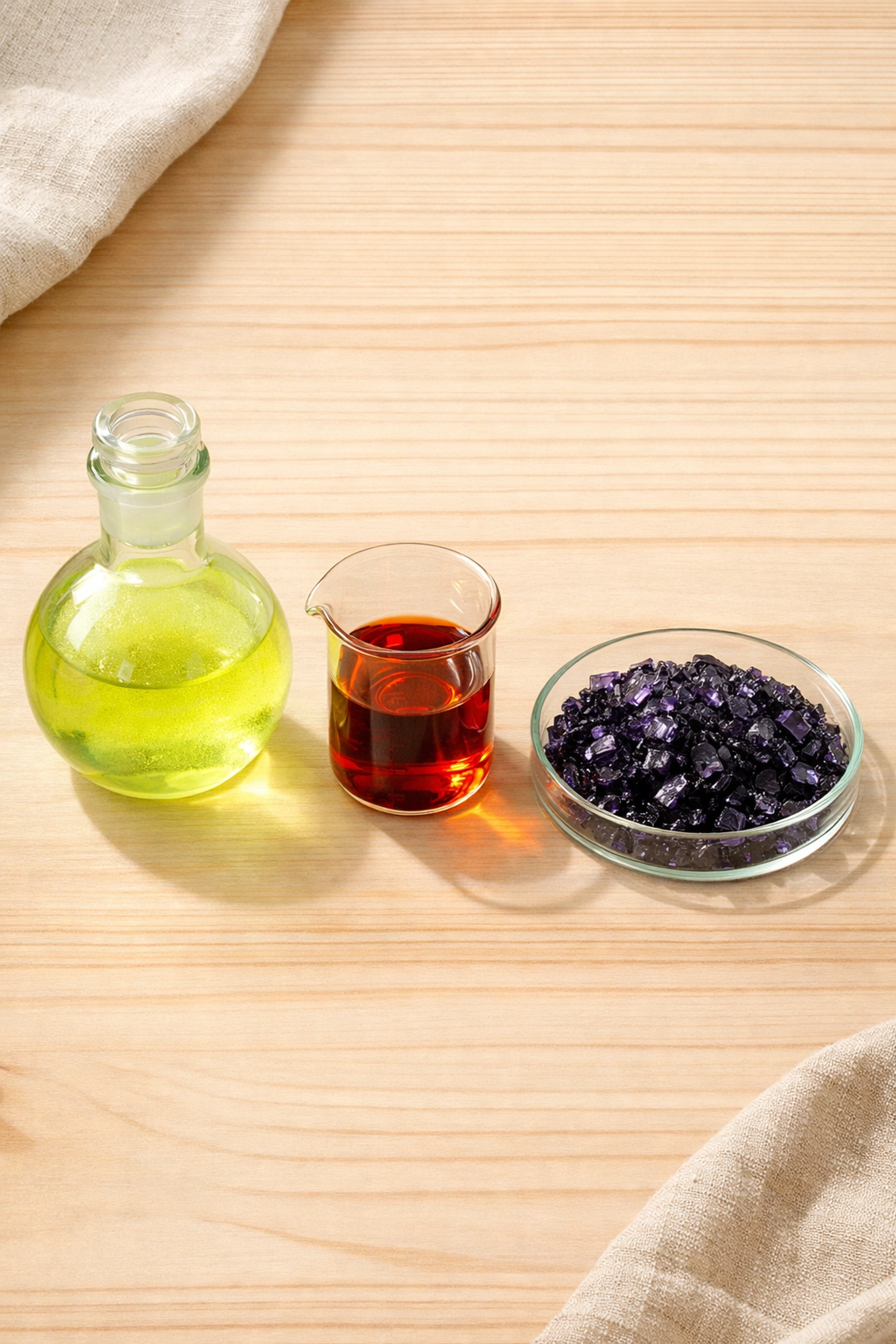
Welcome to Group 7: the Halogens. If Group 1 is the “loud and reactive” family of the periodic table, Group 7 is their sophisticated, slightly dangerous counterpart. From the pale green gas of Chlorine to the dark purple solid of Iodine, these elements are an absolute staple of A Level Chemistry exams. 🧪
But here’s the thing: there’s so much more to them than just pretty colours. There are trends you need to memorize and, more importantly, “traps” that examiners absolutely love to set. I’ve seen countless students lose marks on questions that should have been easy wins, simply because they didn’t fully understand the why behind the trends.
So let’s break it all down together. By the end of this post, you’ll have a rock-solid understanding of everything Group 7 throws at you.
The Physical Trends: Why Size Really Does Matter
As you travel down Group 7 (from Fluorine to Iodine), the atoms get progressively bigger. This one fundamental change drives almost everything else you need to know. Let me walk you through it:
Atomic Radius Increases 📈
This one’s beautifully simple. More electron shells = a bigger atom. Each time you move down a period, you’re adding another shell of electrons, pushing the outer electrons further and further from the nucleus. Fluorine has just 2 electron shells, while Iodine has 5. That’s a significant size difference!
Electronegativity Decreases
Here’s where it gets interesting. Because the atom is bigger, the nucleus is much further away from any bonding pair of electrons. Think of it like trying to hold onto a balloon with a very long piece of string: you have far less control over where it goes. The shielding effect from all those inner electron shells also plays a role, reducing the effective nuclear charge felt by the bonding electrons.
Fluorine is the most electronegative element in the entire periodic table (with a value of 4.0 on the Pauling scale). By the time you reach Iodine, that electronegativity has dropped significantly.
Boiling Points Increase
Bigger molecules have more electrons, which means stronger London dispersion forces (a type of van der Waals force). These temporary dipoles become more significant as the electron cloud gets larger and more easily polarised.
This is exactly why Fluorine and Chlorine are gases, Bromine is a liquid, and Iodine is a solid at room temperature. Same group, completely different physical states! 🌟
Reactivity: The Great Displacement Race
Now, here’s something that catches students out every single year. In Group 7, reactivity decreases as you go down the group. This is the complete opposite of Group 1!
Why? Because halogens want to gain an electron: they’re oxidising agents. They need to attract that extra electron into their outer shell to achieve a stable noble gas configuration.
Because Fluorine is absolutely tiny, its nucleus is very close to where the incoming electron will sit. This makes Fluorine incredibly effective at “snatching” electrons from other species. As you move down to Chlorine, Bromine, and Iodine, the atoms get larger, the nucleus gets further away, and that electron-grabbing ability diminishes.
The Displacement Rule 💡
This leads us to one of the most commonly tested concepts: halogen displacement reactions.
A halogen higher up in the group will always displace a halide ion lower down.
Let’s see this in action:
- Cl₂ + 2KBr → 2KCl + Br₂ ✓ (Chlorine displaces Bromide)
- Cl₂ + 2KI → 2KCl + I₂ ✓ (Chlorine displaces Iodide)
- Br₂ + 2KI → 2KBr + I₂ ✓ (Bromine displaces Iodide)
- I₂ + 2KBr → No reaction ✗ (Iodine cannot displace Bromide)
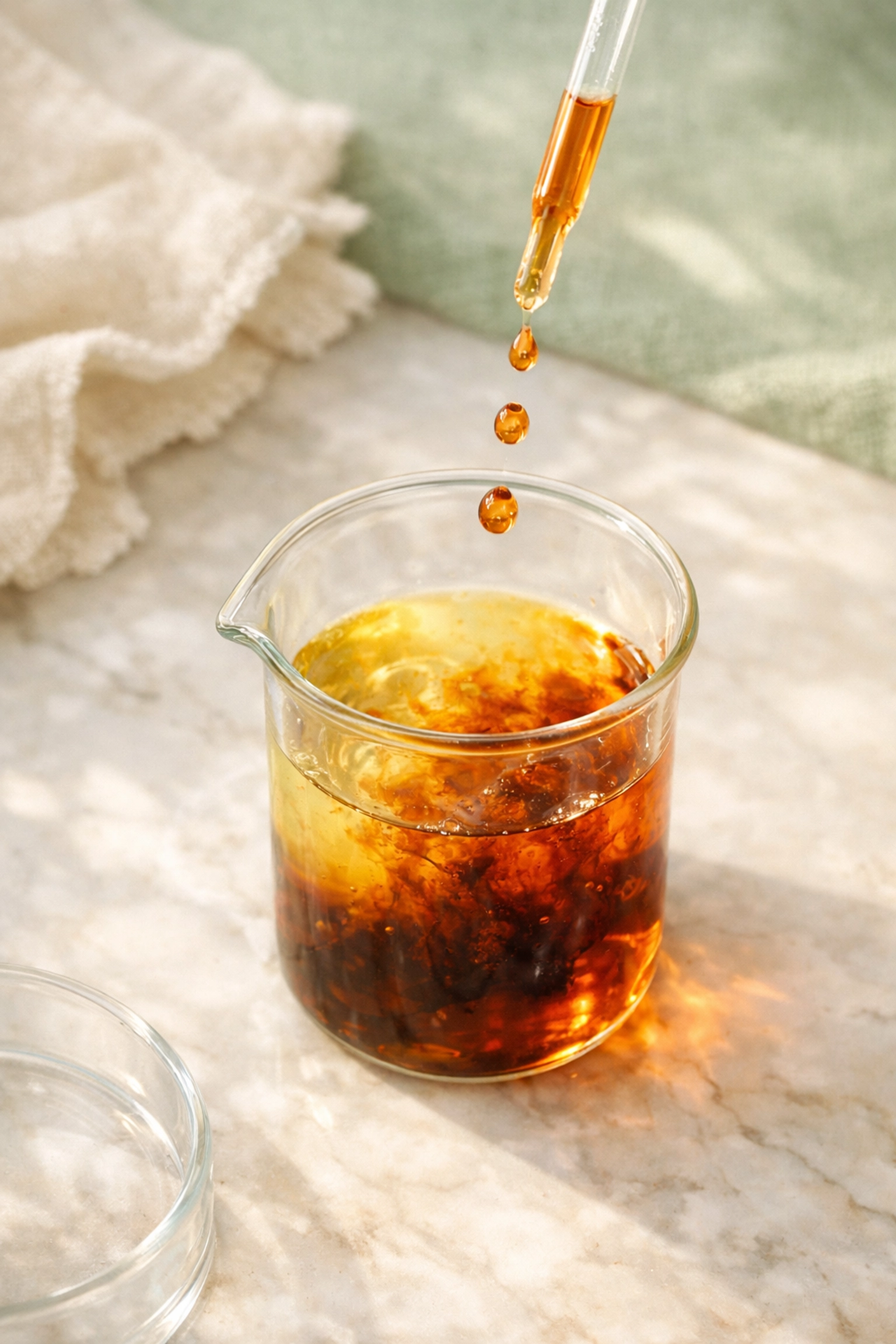
You can actually see these reactions happen in the lab. When Chlorine water is added to potassium iodide solution, you’ll watch the solution turn from colourless to that gorgeous brown colour as Iodine is released. It’s chemistry you can witness with your own eyes!
The ‘Big’ Exam Topic: Reducing Power of Halide Ions
Right, this is where students typically lose the most marks. Pay close attention here because understanding this section could genuinely make or break your exam grade. 🙌
We’re no longer talking about the halogens themselves (Cl₂, Br₂, I₂). We’re now talking about the halide ions (F⁻, Cl⁻, Br⁻, I⁻).
Here’s the key principle: as you go down the group, halide ions become better at giving away electrons. In other words, they become stronger reducing agents.
Why? Because the ions are getting larger. That outer electron is held less tightly by the nucleus (remember the shielding effect and increased distance), so it’s much easier to remove.
Testing This With Concentrated Sulfuric Acid
We test the reducing power of halide ions by adding concentrated sulfuric acid (H₂SO₄) to solid halide salts. The results are dramatically different depending on which halide you use:
Fluoride (F⁻) and Chloride (Cl⁻): No Redox Reaction
These ions are too weak as reducing agents to reduce the sulfur in sulfuric acid. You simply get an acid-base reaction producing steamy fumes of HF or HCl gas.
- NaCl + H₂SO₄ → NaHSO₄ + HCl ↑
Bromide (Br⁻): Moderate Reducing Power
Now things get more interesting! Bromide ions are strong enough to reduce the sulfur in H₂SO₄ from an oxidation state of +6 down to +4. You’ll observe choking SO₂ gas and orange-brown Bromine fumes.
- 2HBr + H₂SO₄ → Br₂ + SO₂ + 2H₂O
Iodide (I⁻): The MVP of Reducing Agents 🏆
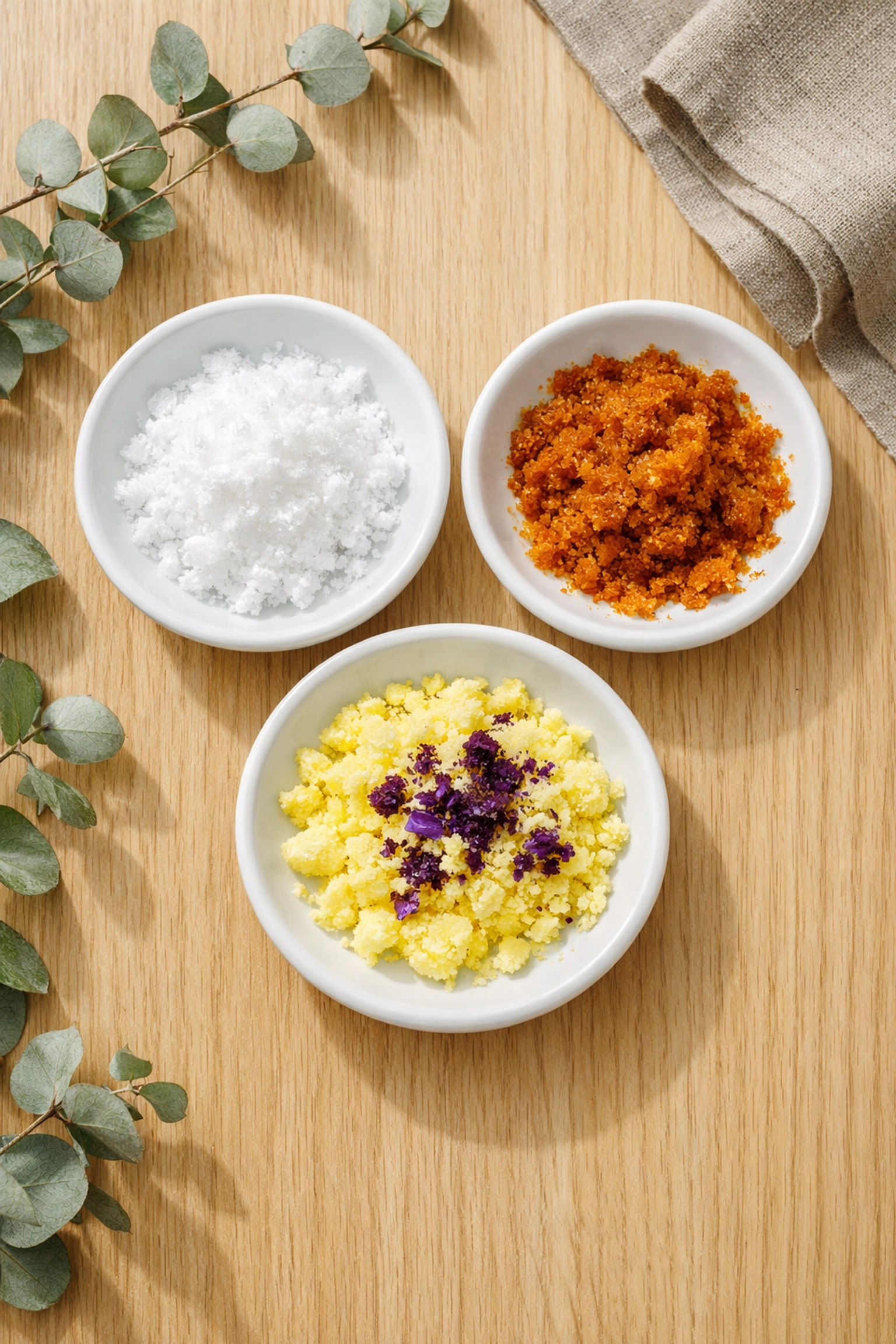
Iodide is so powerful that it reduces sulfur all the way from +6 to -2. This produces multiple products including purple Iodine vapour, yellow sulfur deposits, and the famous “bad egg” smell of hydrogen sulfide (H₂S) gas.
- 8HI + H₂SO₄ → 4I₂ + H₂S + 4H₂O
That rotten egg smell? That’s your signal that you’ve got a seriously strong reducing agent at work!
The Fluorine Anomaly: The Classic Exam ‘Trap’
Here’s a question that trips up even the most confident students: Which halogen has the highest electron affinity?
You might instinctively say Fluorine: after all, it’s the smallest and most electronegative, right? But actually, Chlorine has the higher electron affinity. This is the trap! 😅
So What’s Going On?
Fluorine is incredibly small. Its 7 outer electrons are crammed into a tiny 2p subshell, creating significant electron-electron repulsion. When an incoming electron tries to join the party, all those existing electrons are pushing back against it.
I love using this analogy with my students: imagine trying to squeeze one more person into an absolutely packed lift. Even if that person desperately wants to get in, the people already crammed inside are pushing back! The repulsion they experience actually makes the process less energetically favourable than you’d expect.
Chlorine, being larger, has its outer electrons more spread out. There’s less repulsion, so that incoming electron is actually welcomed more readily, giving Chlorine a higher (more negative) electron affinity than Fluorine.
This is exactly the kind of nuanced understanding that separates A* students from the rest. It shows you truly understand the underlying principles rather than just memorising trends.
Bringing It All Together
Group 7 is fundamentally about the delicate balance between atomic size and nuclear pull. Every single trend: electronegativity, reactivity, reducing power, boiling points: can be traced back to this core concept.
Here’s your revision checklist for Halogens:
- ✅ Atomic radius increases down the group
- ✅ Electronegativity decreases down the group
- ✅ Reactivity as oxidising agents decreases down the group
- ✅ Reducing power of halide ions increases down the group
- ✅ Boiling points increase down the group
- ✅ Chlorine (not Fluorine!) has the highest electron affinity
Master the H₂SO₄ reactions and understand the electronegativity trend, and you’ve genuinely got half the Inorganic paper sorted. 🌟
Need Extra Support With Your Chemistry?
Struggling to remember which halogen produces what colour, or why the ‘bad egg’ smell only appears with Iodide? Whether you’re a private candidate in the UK or looking for an expert Chemistry tutor, I’d love to help you simplify these trends so they actually stick.
Chemistry doesn’t have to feel overwhelming. With the right guidance and a structured approach to revision, you can walk into that exam room feeling genuinely confident. Let’s get you exam-ready! ❤️

Oxford-Educated Chemistry Specialist
With over 20 years of teaching experience at some of the UK’s top independent schools, I help ambitious students bridge the gap between hard work and top-tier results. I specialise in GCSE, A Level, and IB Chemistry tuition for students targeting Grade 9s and A*s. Based in the UK but working globally, I provide 1-1 online support for families in South and West London, Dubai, and Hong Kong, ensuring students are perfectly prepared for competitive medical applications and Oxbridge entries.
I’ve helped students achieve top grades from schools such as Alleyn’s, Dulwich College, Tonbridge, Sevenoaks, Brighton College, Wycombe Abbey, Caterham, St Paul’s, Dubai College, Dubai British School and Harrow International School Hong Kong.
Contact me archardchloe@gmail.com to discuss how I can help your child excel in Chemistry.