

Blog
The “Hidden” Medicine Application: How to Turn Your Chemistry Interest into a Winning Personal Statement


Let me guess: you’ve written (or you’re about to write) something along the lines of “Ever since I was young, I’ve wanted to help people.”
Stop right there. 🛑
I’m not saying it’s untrue. I’m saying that every single applicant writes a variation of the same sentence, and admissions tutors have been reading variations of it for the past two decades. If you want to stand out in a sea of 20,000+ applicants competing for roughly 8,000 UK medical school places, you need to do better than compassion clichés.
Here’s what they don’t tell you: Medicine is applied Chemistry. And if you can prove that you understand that connection, not just regurgitate it, but genuinely understand it, you’ll instantly separate yourself from the crowd.
The “I Want to Help People” Trap (And Why Admissions Tutors Are Over It)
Don’t get me wrong. Compassion matters. Empathy matters. But here’s the uncomfortable truth: admissions tutors aren’t looking for saints. They’re looking for scientists who can survive the gruelling academic demands of medical school.
Medical schools want evidence of academic stamina and scientific curiosity, not just a warm, fuzzy feeling about humanity. They want to know that when you’re faced with a 2 a.m. biochemistry exam on the Krebs cycle, or when you’re trying to understand why a patient’s potassium levels are dangerously low, you won’t crumble. You’ll thrive, because you love the science behind it all.
That’s where your Chemistry A-Level becomes your secret weapon. 🔬
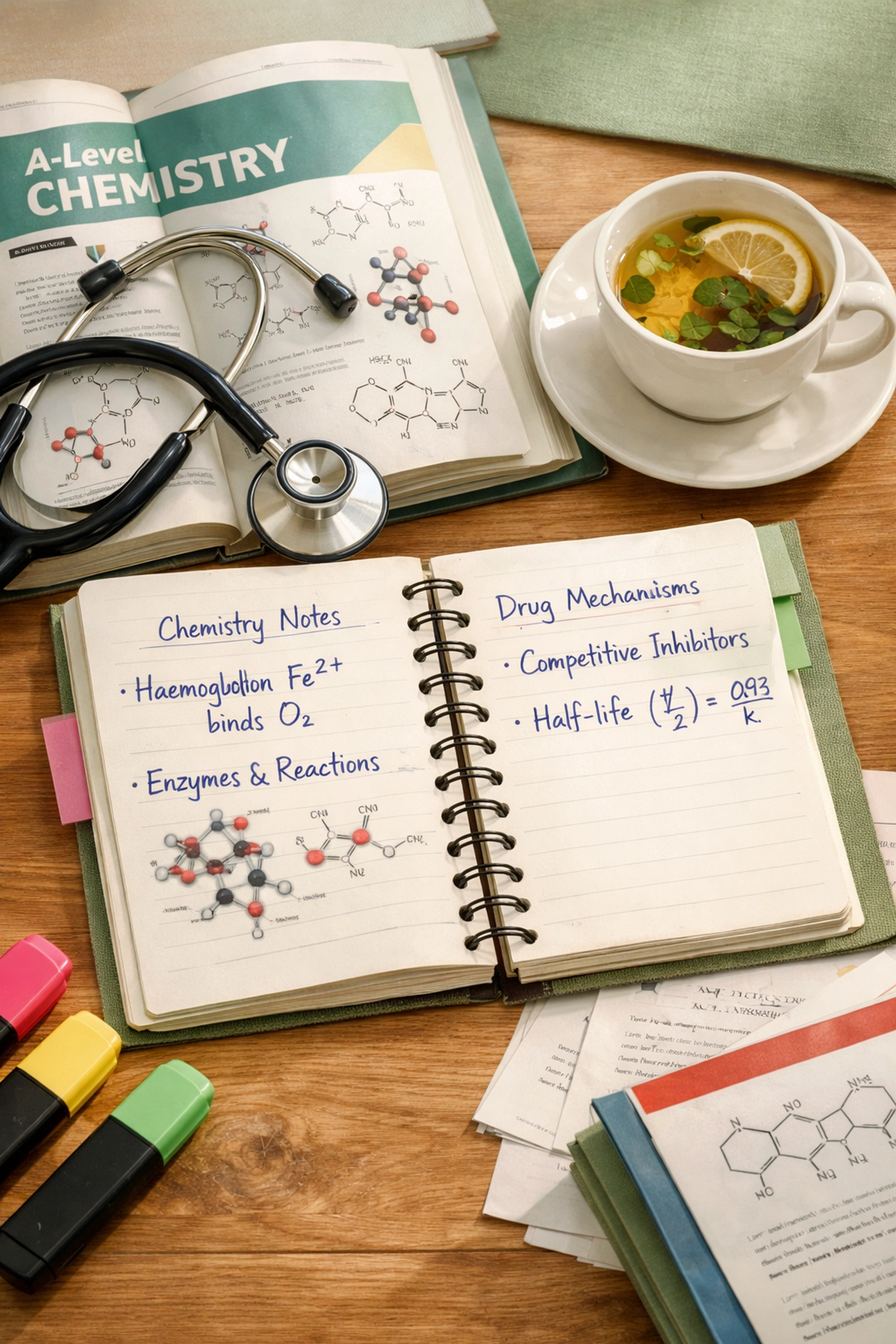
Chemistry Is the Foundation of Medicine (And You Need to Prove You Get That)
Here’s the thing: every drug you’ve ever taken, every diagnostic test you’ve ever had, every treatment protocol a doctor follows, it all comes back to Chemistry.
Let me give you some examples:
Pharmacodynamics and Drug Action
When you take paracetamol for a headache, it’s not magic. It’s organic chemistry in action. Paracetamol inhibits the enzyme cyclooxygenase (COX), which prevents the synthesis of prostaglandins, the molecules responsible for pain and inflammation. If you’ve studied the mechanisms of esterification or the role of functional groups in A-Level Chemistry, you can draw a direct line to how drugs are designed to interact with specific biological targets.
In your personal statement, you could write:
“Studying the reactivity of carbonyl groups in organic synthesis made me curious about how drug molecules are designed to target specific enzymes. Reading about the mechanism of action of NSAIDs like ibuprofen, where the carboxylic acid group binds to the active site of COX enzymes, showed me that medicine is fundamentally applied chemistry.”
See the difference? You’re not just saying “I like science.” You’re proving that you’ve engaged with the how and the why at a molecular level.
Transition Metal Complexes in Haemoglobin
Another absolute goldmine for your personal statement is haemoglobin. If you’ve studied transition metals and ligand bonding, you already know that the Fe²⁺ ion in haem sits at the centre of a porphyrin ring, forming coordinate bonds with nitrogen atoms. When oxygen binds to this iron centre, it forms oxyhaemoglobin, the molecule that allows your blood to transport oxygen around your body.
Now imagine writing this in your statement:
“Learning about transition metal complexes made me appreciate the elegance of haemoglobin’s structure. The reversible binding of oxygen to Fe²⁺ in the haem group is a perfect example of how chemistry underpins physiology. Understanding that carbon monoxide poisoning occurs because CO binds more strongly to Fe²⁺ than O₂ does showed me how chemical principles directly inform clinical practice.”
Boom. You’ve just demonstrated that you can think like a doctor and a chemist. 💡
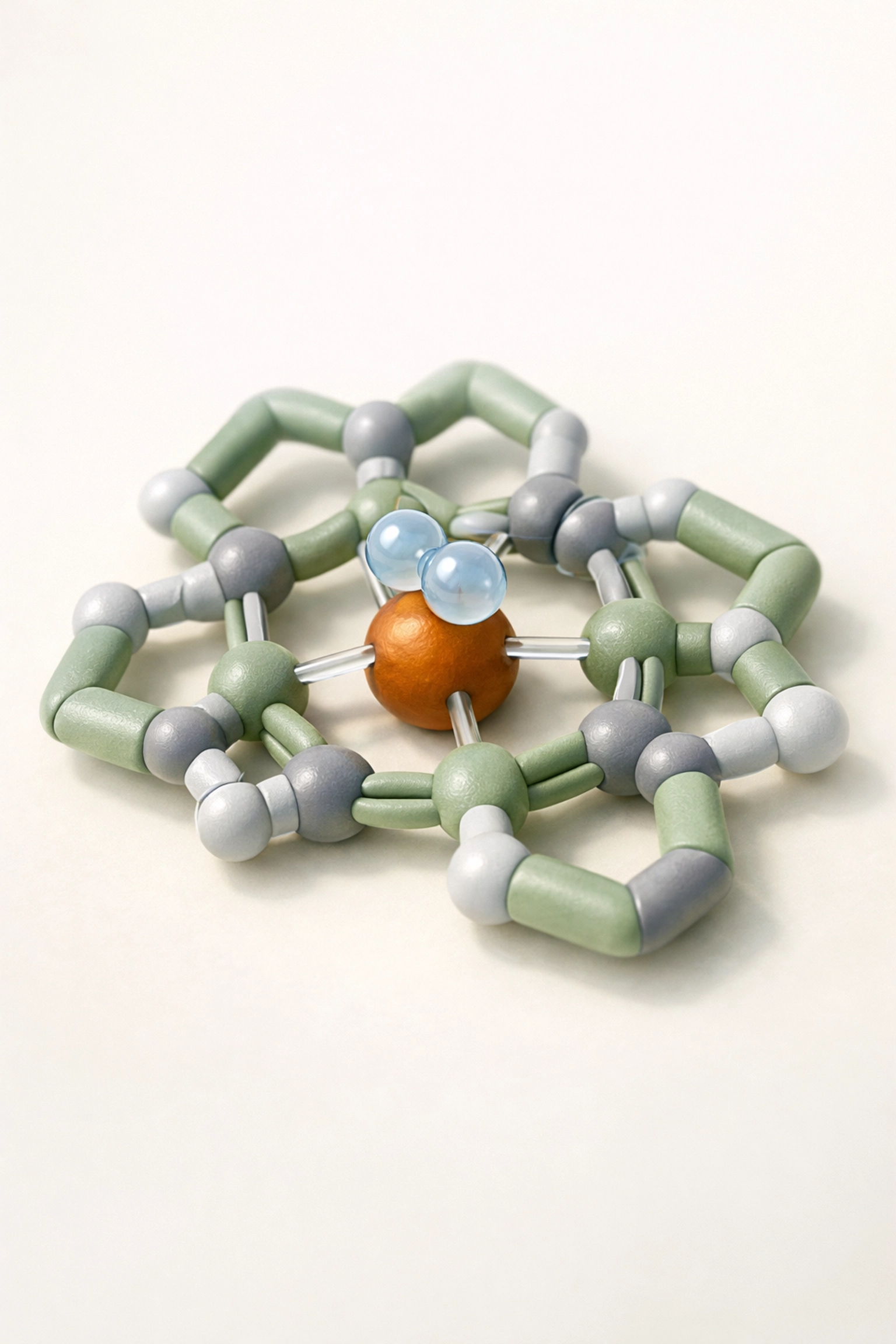
Connecting A-Level Chemistry Topics to Medical Practice
Let’s break down a few more high-impact connections you can make between your A-Level syllabus and medicine:
1. Buffers and Blood pH Regulation
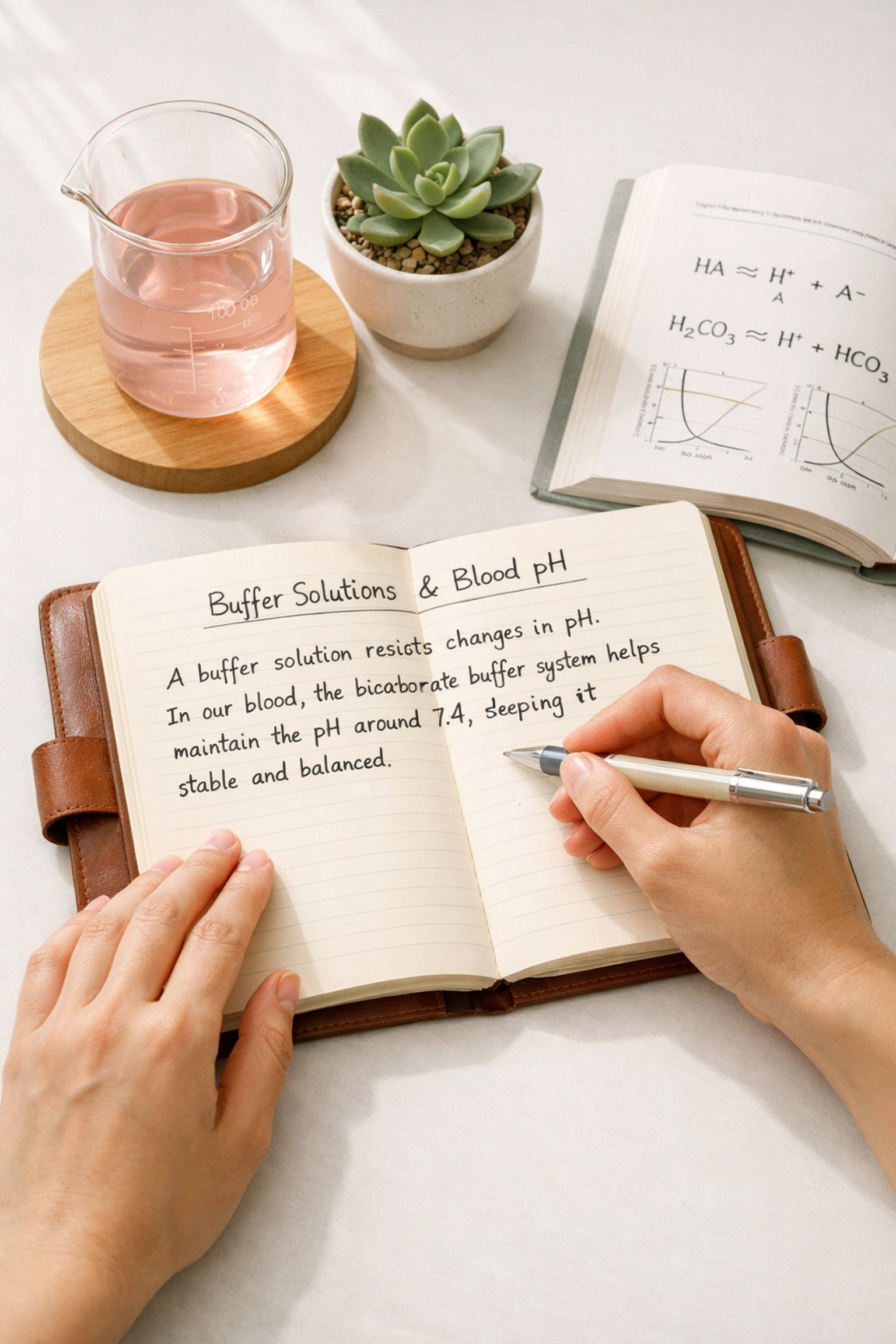
If you’ve studied buffer solutions, you know they resist changes in pH when small amounts of acid or base are added. Your blood is a buffer system (primarily the carbonic acid–hydrogencarbonate system) that maintains pH between 7.35 and 7.45. Any deviation from this range can be life-threatening.
Personal statement gold: “Studying buffer equilibria made me realize how finely tuned our bodies are. The carbonic acid–hydrogencarbonate buffer in blood maintains pH within a narrow range, and understanding this helped me appreciate conditions like metabolic acidosis, where this balance is disrupted.”
2. Organic Synthesis and Drug Development
If you’ve done any practical work involving multi-step organic synthesis (like making aspirin or testing for functional groups), you’ve touched on the same processes pharmaceutical chemists use to design new drugs. The ability to predict reaction pathways, understand stereochemistry, and optimize yields is exactly what drug discovery involves.
Personal statement angle: “Synthesizing aspirin from salicylic acid in the lab gave me a glimpse into the pharmaceutical industry. Learning about the importance of purity and yield made me curious about how drugs are developed from discovery to clinical trials.”
3. Electrochemistry and Medical Diagnostics
Ever wondered how glucose monitors work? Electrochemistry. Glucose oxidase catalyses the oxidation of glucose, and the electrons produced create a measurable current. If you’ve studied redox reactions and electrode potentials, you can connect this to diabetes management.
For your statement: “Studying redox reactions and electrochemical cells made me appreciate the chemistry behind glucose monitors. Understanding that diabetic patients rely on these devices daily showed me how chemistry translates into life-changing medical technology.”
The Scientist-Clinician: Why You Need Both Compassion and Analytical Rigour
Here’s where you bring it all together. Medical schools want to train scientist-clinicians: doctors who can combine compassionate patient care with rigorous scientific thinking.
You need to show that you’re not just empathetic, but that you have the analytical brain to diagnose complex conditions, interpret lab results, and make evidence-based treatment decisions. Chemistry teaches you how to think critically, solve problems systematically, and work with precision: all skills that are non-negotiable in medicine.
In your personal statement, you might write:
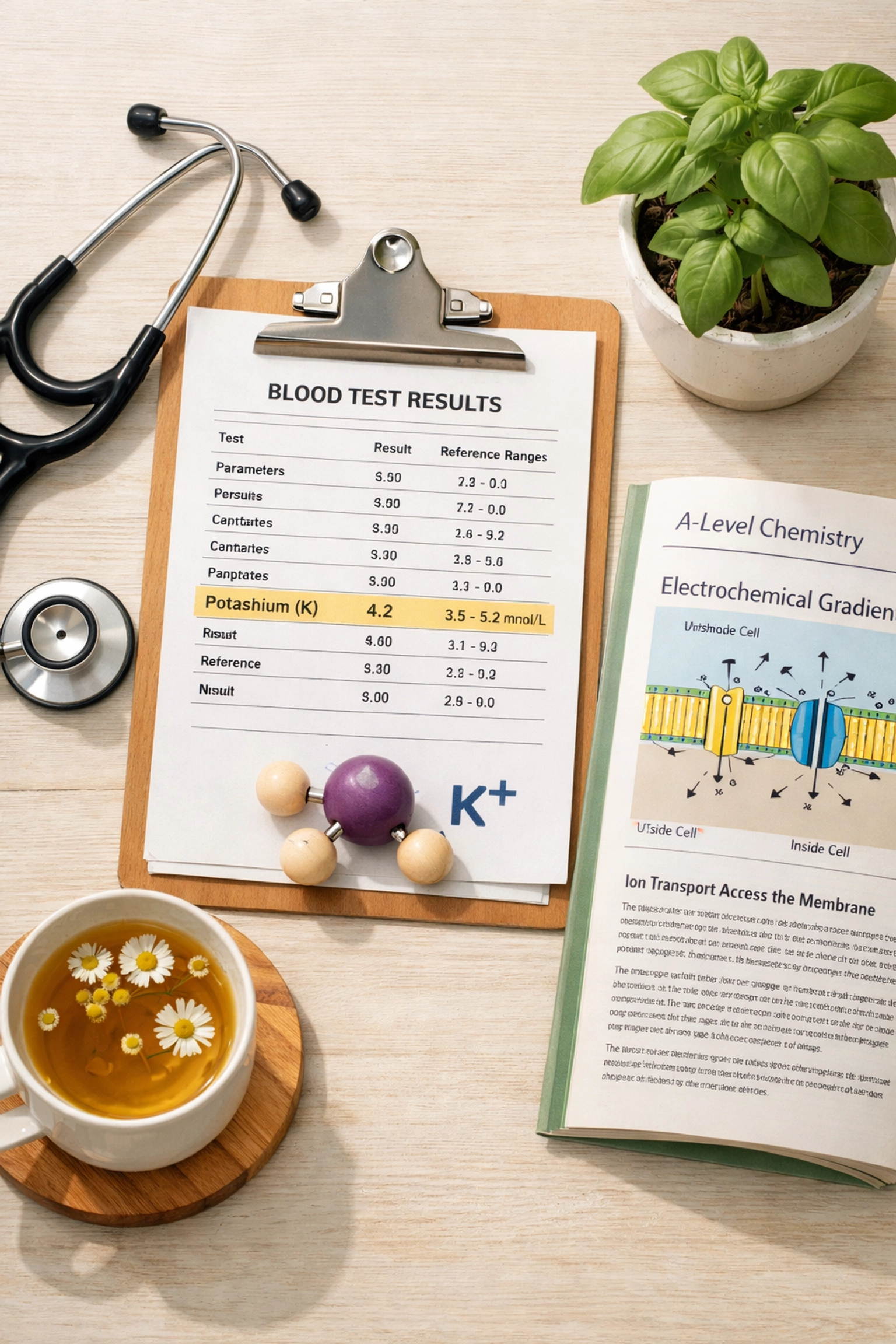
“While shadowing a GP, I observed a patient presenting with unexplained fatigue and muscle weakness. The doctor ordered blood tests, which revealed hypokalaemia (low potassium). Understanding the role of potassium ions in maintaining electrochemical gradients across cell membranes: something I’d learned in A-Level Chemistry: helped me appreciate how chemical imbalances manifest as clinical symptoms. It reinforced my belief that being a good doctor requires both empathy and scientific literacy.”
You’ve just proven that you can connect the dots between classroom learning and real-world clinical practice. That’s what sets you apart. 🌟
How to Actually Write About Chemistry Without Sounding Like a Textbook
The trick is to weave Chemistry into your narrative, not to dump facts onto the page. Here’s a simple framework:
- Start with a personal experience (work experience, a conversation with a doctor, a news article about a medical breakthrough).
- Connect it to a specific Chemistry concept you’ve studied.
- Reflect on what it taught you about medicine or your own suitability for the career.
For example:
“Reading about the development of mRNA vaccines during the COVID-19 pandemic fascinated me. Understanding that the lipid nanoparticles encapsulating the mRNA are carefully designed using principles of intermolecular forces: something I’d studied in A-Level Chemistry: made me realize how cutting-edge medicine relies on chemical innovation. It inspired me to explore the intersection of chemistry and healthcare further.”
Short, specific, and reflective. That’s the formula. ✅
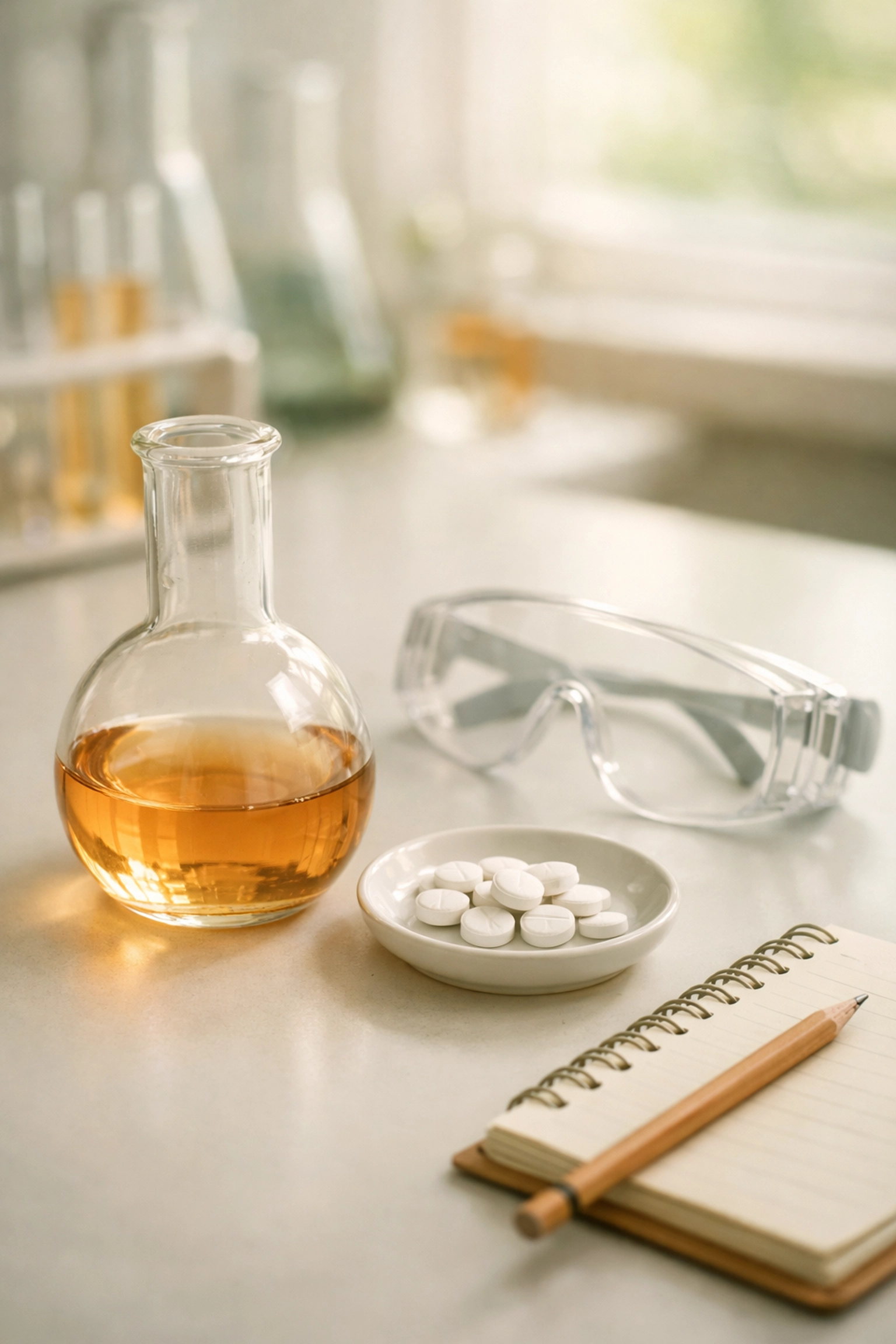
Standing Out in a Sea of 20,000 Applicants: Why You Need a Strategic Approach
Let’s be honest: writing a personal statement that gets you an interview invite is hard. You’re not just competing against students from your school: you’re competing against the brightest minds in the country, many of whom have years of work experience, research placements, and perfectly crafted statements.
That’s where strategic preparation comes in.
If you want to make your application unignorable, you need to understand what admissions tutors are actually looking for, how to structure your statement around the new UCAS format (introduced in 2025), and how to prepare for the inevitable interview questions about your Chemistry knowledge.
That’s exactly why I created MedAspire.
Introducing MedAspire: Your Ultimate Toolkit for Medical School Applications
MedAspire is designed to bridge the gap between “good student” and “future doctor.” It’s not just about writing a personal statement: it’s about positioning yourself as the kind of scientifically literate, intellectually curious applicant that medical schools are desperate to recruit.
Here’s what you get inside MedAspire:
✅ Personal Statement Masterclasses: Step-by-step guidance on how to structure your statement, weave in Chemistry (and Biology) examples, and avoid the clichés that make admissions tutors groan.
✅ Interview Prep: Practice scenarios, ethical dilemmas, and science-based questions that mirror what you’ll face in MMIs (Multiple Mini Interviews) and panel interviews.
✅ UCAT and BMAT Strategy (if applicable): Tips for tackling these notoriously tough entrance exams with confidence.
✅ Work Experience Guidance: How to make the most of any clinical or research placements, and what to actually reflect on in your statement.
✅ Live Q&A Sessions: Get your questions answered in real time, whether it’s about picking the right medical schools or how to talk about your Chemistry Extended Project Qualification (EPQ).
If you’re serious about getting into medicine, MedAspire gives you the roadmap, the tools, and the confidence to make it happen. 🚀
Final Thoughts: Chemistry Is Your Competitive Edge: Use It
The truth is, most applicants will write generic personal statements that sound like everyone else’s. They’ll talk about caring for people, they’ll mention their work experience, and they’ll hope for the best.
But you have something different. You have Chemistry.
And if you can show admissions tutors that you understand how anaesthetics work at the molecular level, or why pH regulation is life-or-death, or how drug design starts with functional group reactivity, you’ll stand out in a way that compassion alone never could.
Medicine is applied Chemistry. Own that. Write about it. And watch your application move to the top of the pile. 💙
Ready to make your application unignorable? My MedAspire course is the ultimate toolkit to help you bridge the gap between ‘good student’ and ‘future doctor.’ From personal statement masterclasses to interview prep, we’ve got you covered. Let’s do this together! ✨


Oxford-Educated Chemistry Specialist
With over 20 years of teaching experience at some of the UK’s top independent schools, I help ambitious students bridge the gap between hard work and top-tier results. I specialise in GCSE, A Level, and IB Chemistry tuition for students targeting Grade 9s and A*s. Based in the UK but working globally, I provide 1-1 online support for families in South and West London, Dubai, and Hong Kong, ensuring students are perfectly prepared for competitive medical applications and Oxbridge entries.
I’ve helped students achieve top grades from schools such as Alleyn’s, Dulwich College, Tonbridge, Sevenoaks, Brighton College, Wycombe Abbey, Caterham, St Paul’s, Dubai College, Dubai British School and Harrow International School Hong Kong.
Contact me archardchloe@gmail.com to discuss how I can help your child excel in Chemistry.