

Blog
The Oxbridge ‘Gold Standard’: Why Thinking Like a Scientist Starts at GCSE

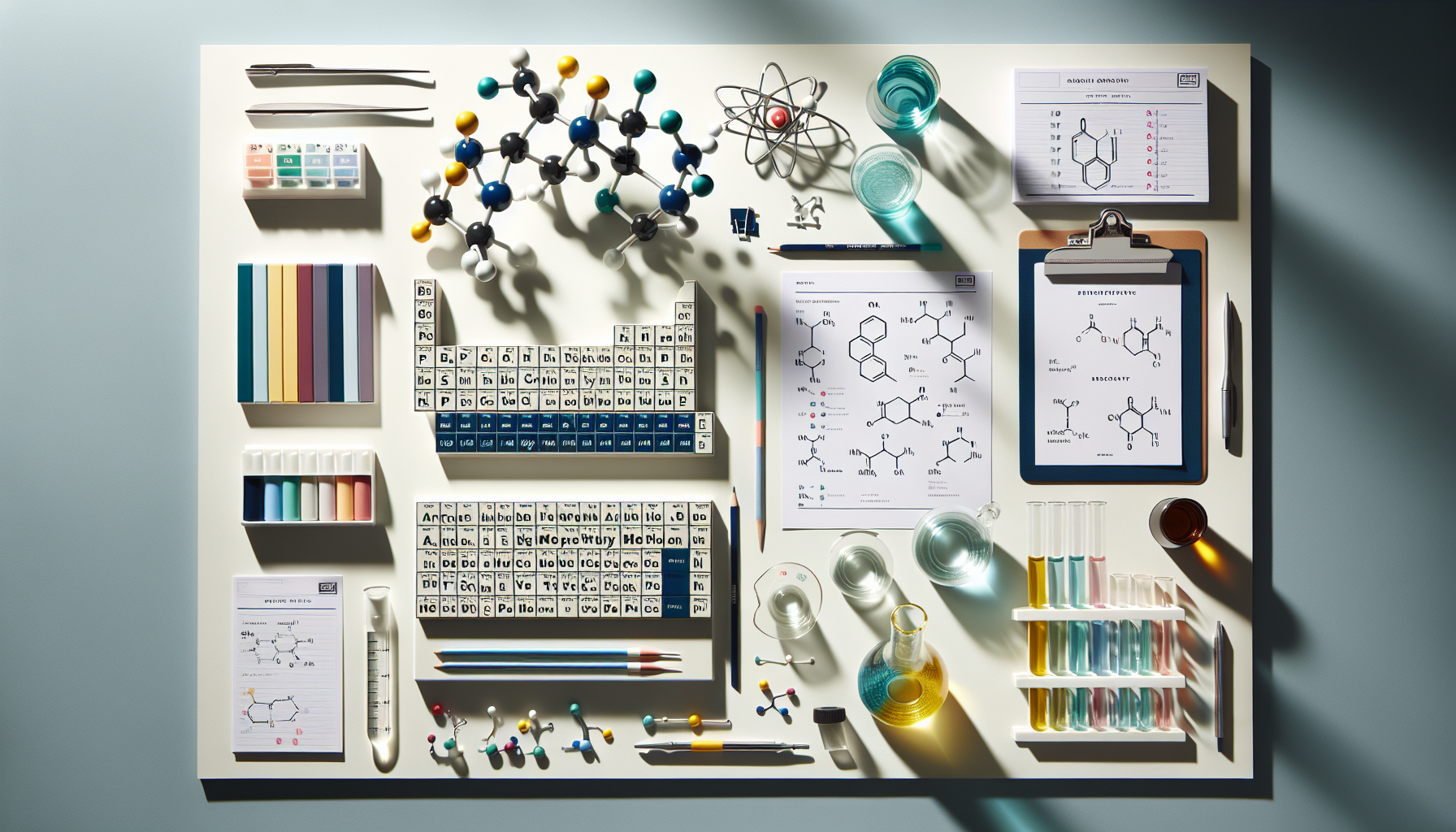
Picture an Oxbridge interview. A nervous 18-year-old sits across from a professor who asks a question they’ve never seen before. There’s no textbook answer to recall. No mark scheme to follow. The only way through is to think: out loud, in real time, drawing on everything they understand about how science actually works.
Here’s the thing: that skill doesn’t suddenly appear at 18. It’s built slowly, over years, starting much earlier than most people realise.
We’d argue it starts at GCSE.
Not because GCSE grades are the be-all and end-all (they’re not: Oxbridge themselves confirm there are no strict GCSE requirements for entry). But because GCSE is the moment when students either learn to think like scientists, or they learn to memorise like machines.
And that choice shapes everything that follows.
The Rote Learning Trap
Let’s talk about what we see far too often.
A bright Year 10 or Year 11 student sits down to revise. They open their revision guide, highlight key facts, copy out definitions, and test themselves with flashcards. They feel productive. They are working hard.
But when they sit down in the exam and face a question that’s worded slightly differently: or asks them to apply their knowledge to an unfamiliar scenario: they freeze. The facts are there, somewhere in their memory, but they don’t know how to use them.
This is the rote learning trap. And it’s remarkably easy to fall into.
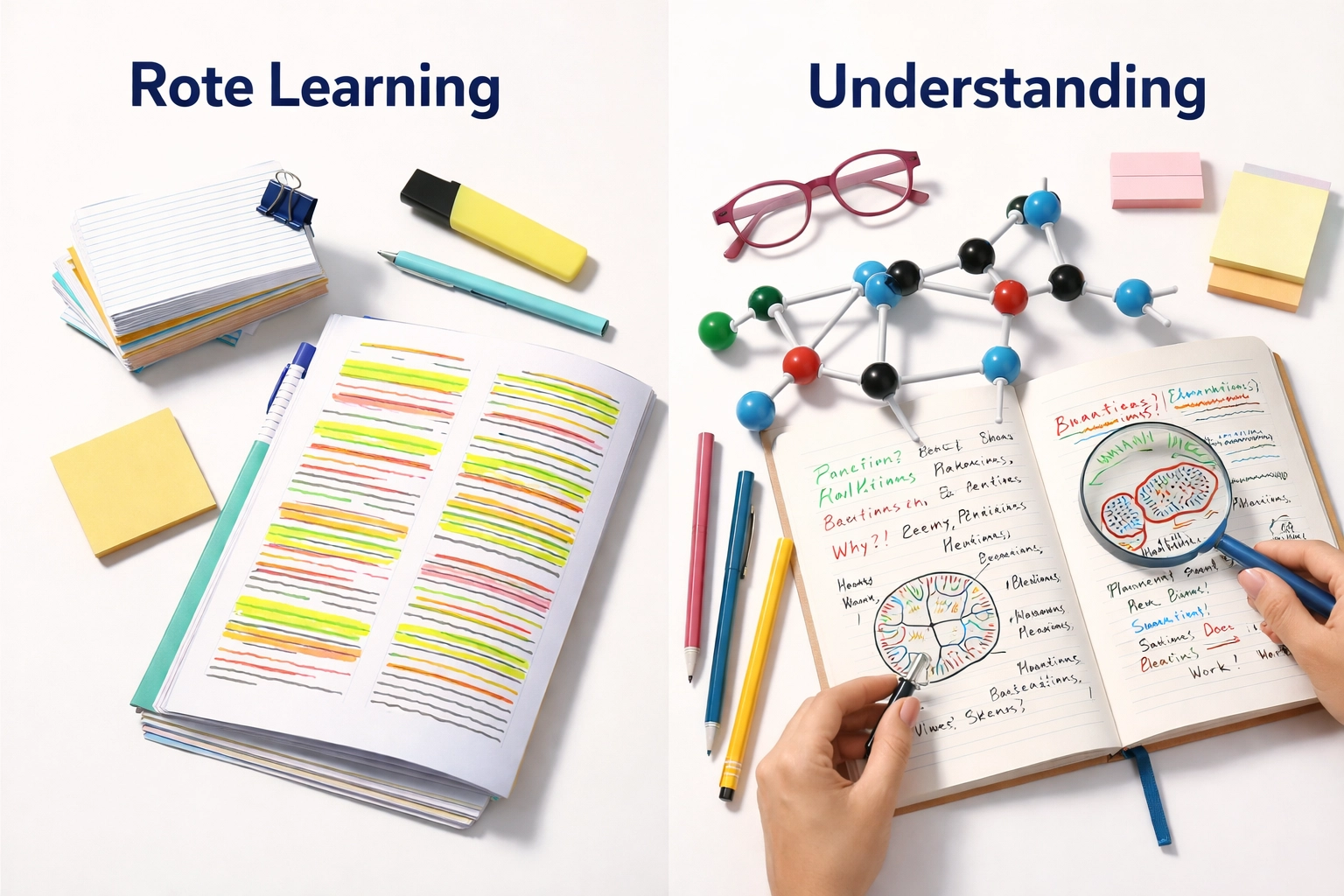
The problem isn’t effort. These students are often working harder than anyone else. The problem is that memorisation alone doesn’t build understanding. It builds a house of cards that looks impressive until someone asks a question from an unexpected angle.
GCSE science papers are increasingly designed to test application, not just recall. Examiners want to see whether students can:
- Analyse data they’ve never seen before
- Explain why something happens, not just what happens
- Connect ideas across different topics
- Evaluate evidence and draw conclusions
These are scientific thinking skills. And they require a completely different approach to revision.
What It Means to Think Like a Scientist
When we talk about “thinking like a scientist,” we’re not talking about anything mysterious or reserved for the exceptionally gifted. We’re talking about a learnable set of habits.
Scientists ask questions. They look at a problem and wonder why it works that way. They make predictions, test them, and adjust their understanding based on what they find. They’re comfortable saying “I’m not sure: let me work through it.”
This is exactly what Oxbridge interviewers are looking for. Not polished, pre-prepared answers, but the ability to reason through something unfamiliar. To stay calm when you don’t immediately know the answer. To talk through your thinking and arrive somewhere sensible.
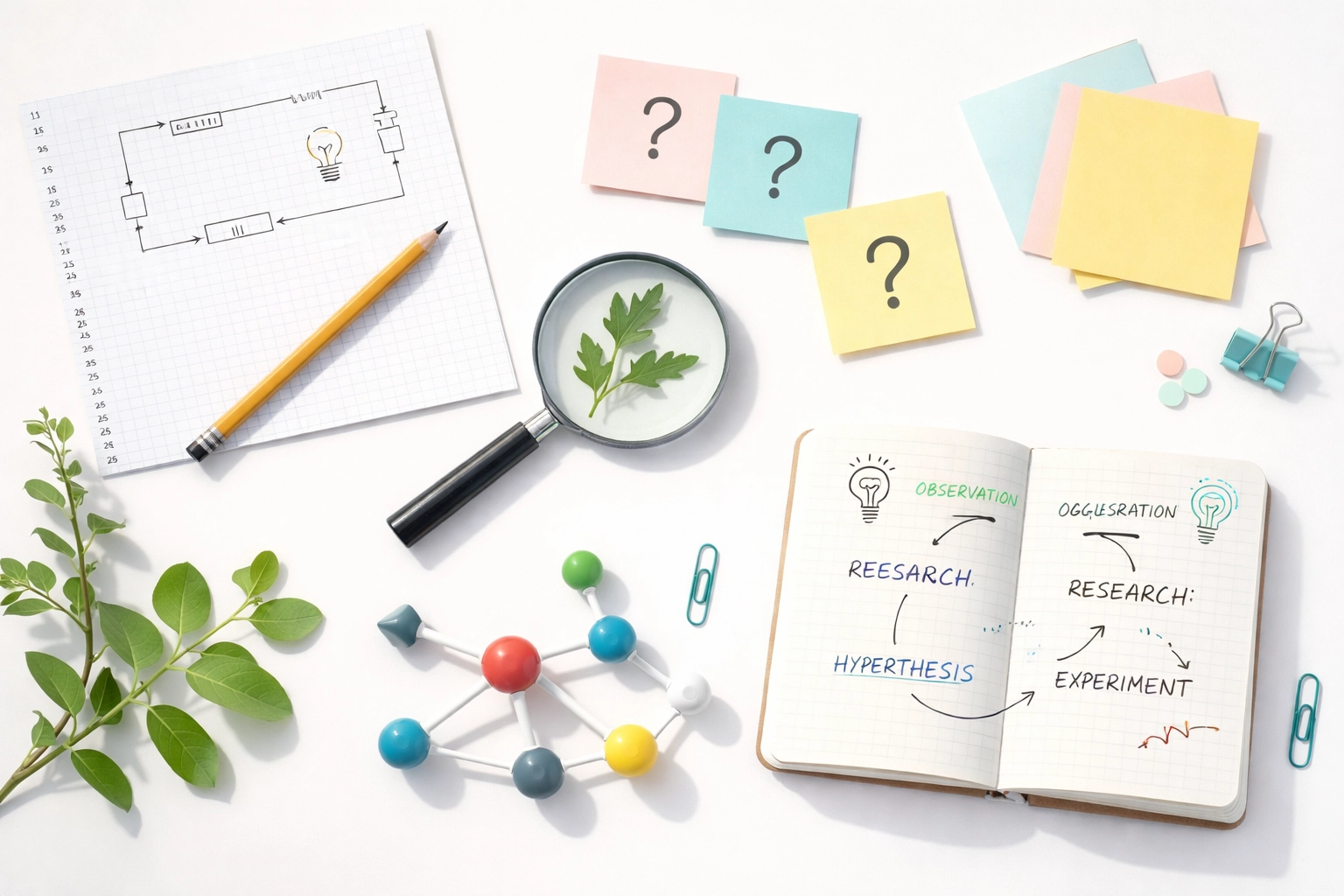
And this is exactly what we try to develop in our students: not because we’re preparing everyone for Oxbridge (though some will get there), but because it’s simply a better way to learn science.
When a student truly understands why the heart has four chambers, they can answer almost any question about circulation. When they grasp why atoms bond the way they do, balancing equations stops being a memory test and starts making sense. When they understand why forces act in pairs, they can tackle mechanics problems they’ve never seen before.
Understanding the “why” is the difference between fragile knowledge and robust knowledge.
How We Teach Differently
At Success in STEM, this philosophy runs through everything we do.
We don’t start with “here’s what you need to memorise for the exam.” We start with “let’s make sure you actually understand this.” Because once understanding is in place, exam technique becomes much easier to build on top.
In practice, this means:
- Asking “why” constantly. We push students to explain their reasoning, not just give answers.
- Using unfamiliar examples. We deliberately introduce questions that can’t be answered by recall alone.
- Building connections. We help students see how topics link together, rather than treating each unit as an isolated block.
- Normalising uncertainty. We show students that not knowing immediately is fine: what matters is having the tools to work through it.
This approach takes a little longer initially. It requires patience. But the payoff is students who feel genuinely confident, not just hopeful that the right questions come up.
The Easter Link: Our 4-Day GCSE Science Revision Course
This is exactly the approach we’re bringing to our Easter GCSE Science Revision Course, running from 7th to 10th April 2026 at Harris Boys’ Academy in East Dulwich.
Over four focused days, students work through Biology, Chemistry, and Physics in small groups: no more than eight per session. The structure is clear:
| Day | Focus |
|---|---|
| Tuesday 7th April | Biology, Chemistry Physics |
| Wednesday 8th April | Biology, Chemistry Physics |
| Thursday 9th April | Biology, Chemistry Physics |
| Friday 10th April | Exam Technique |
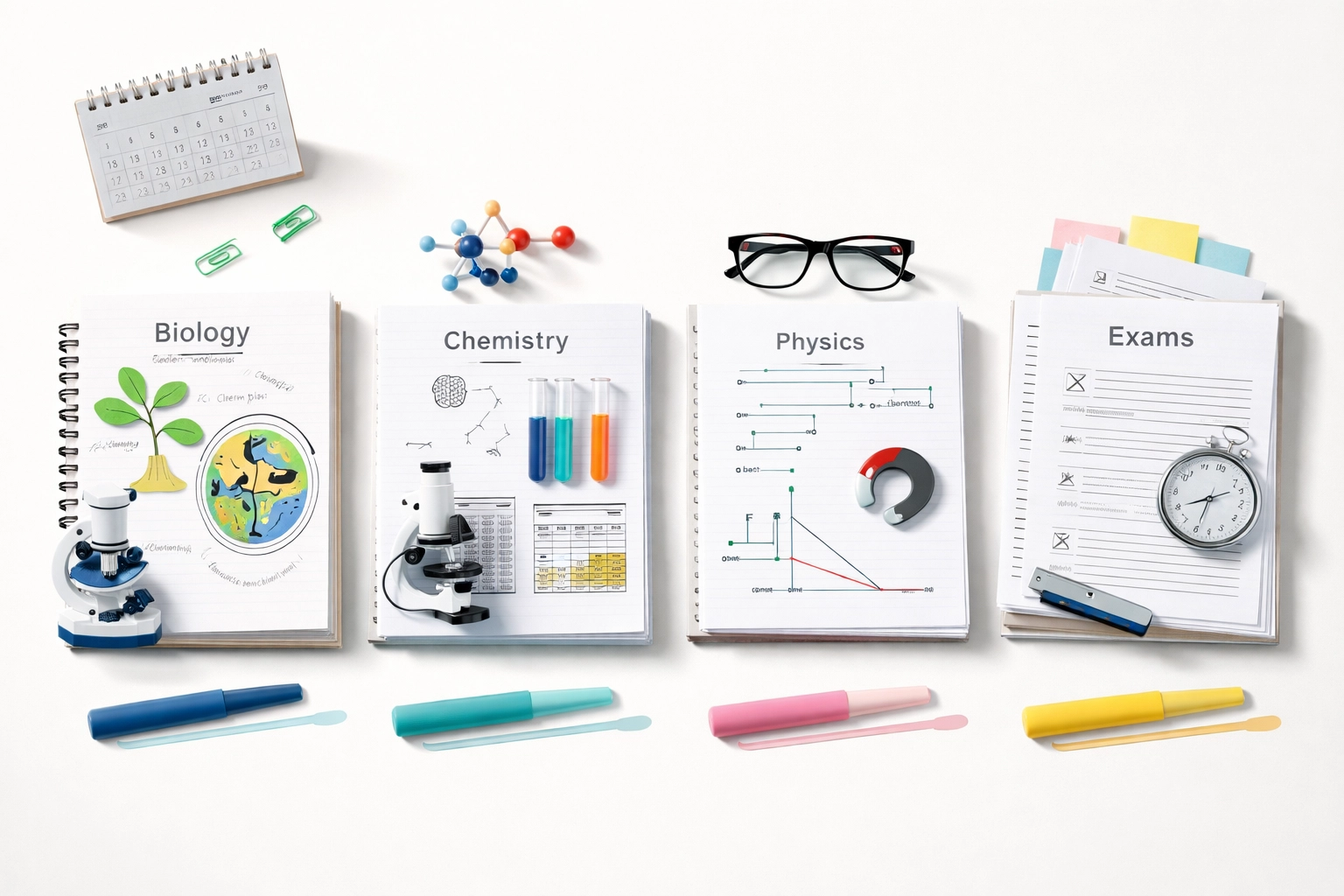
But what makes this course different isn’t just the timetable. It’s the way we teach.
Every session is built around conceptual understanding. We tackle the topics students find trickiest: not by drilling facts, but by unpicking the underlying ideas until they genuinely make sense. We work through exam-style questions together, showing students how to approach problems they haven’t seen before. We build the thinking skills that will serve them in May and far beyond.
By the end of the four days, students leave with more than a set of notes. They leave with a way of approaching science that makes the subject feel manageable, even enjoyable.
Meet the Team
Our tutors bring decades of combined experience to every session.
Chloe Archard (that’s me) – a Chemistry Tutor with a background in making complex ideas accessible. I’ve worked with hundreds of GCSE students and know exactly where the common stumbling blocks are.
Ruth Brett and Kate Pryse-Lloyd are both former teachers at Alleyn’s School, with years of experience preparing students for top grades. They understand what examiners are looking for and, more importantly, how to help students get there without stress or panic.
Together, we’ve seen what works. And we’ve built this course around it.
Is This Right for Your Child?
This course is designed for students who want to feel genuinely prepared: not just crammed full of facts, but confident in their ability to handle whatever the exam throws at them.
If your child is the kind of learner who wants to understand why things work, not just memorise what to write, they’ll thrive here.
If they’ve been working hard but feel like something isn’t quite clicking, this is often the missing piece.
And if you’re simply looking for calm, structured support during what can be a stressful time, we’d be glad to help.
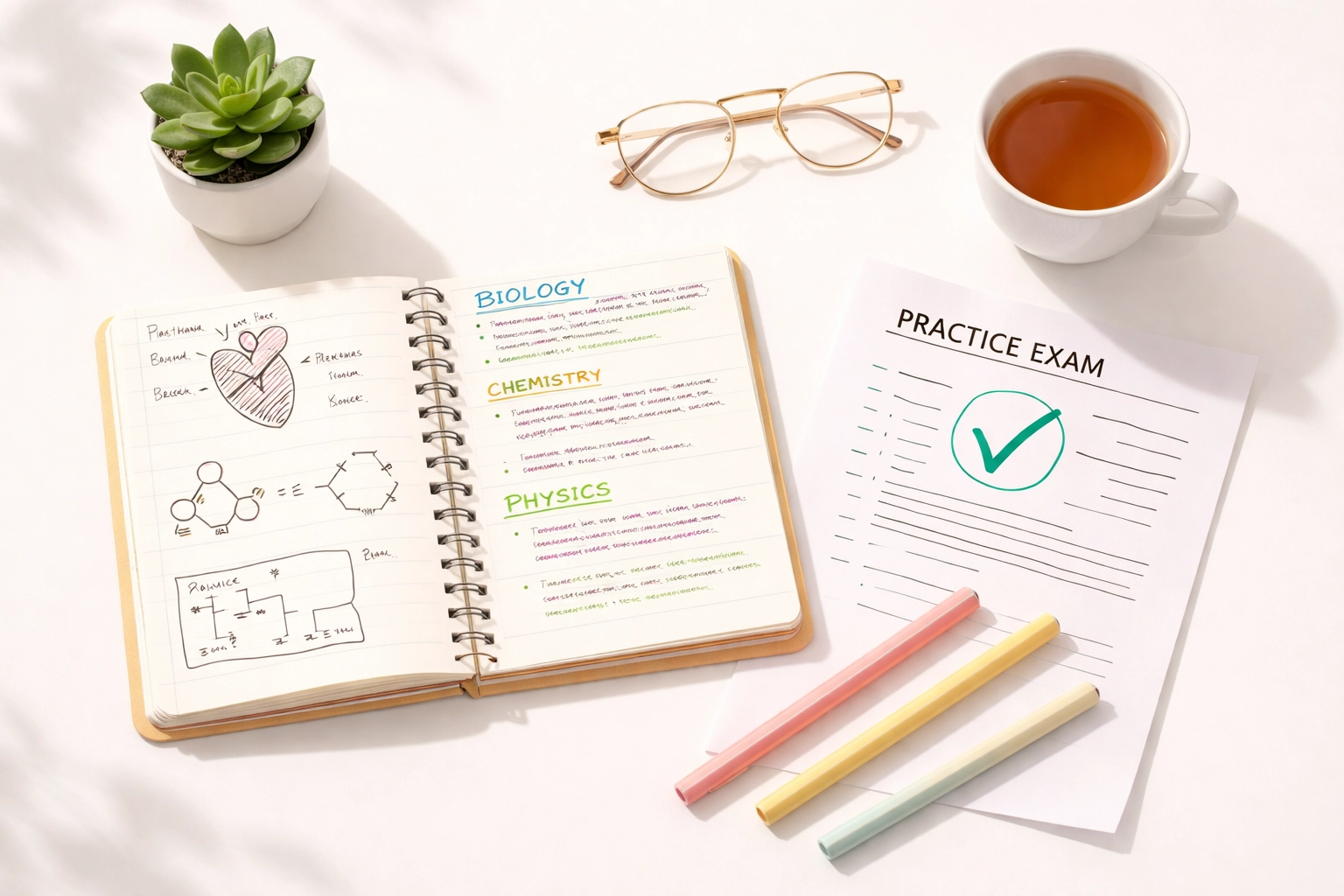
We keep groups small intentionally, so every student gets the attention they need. A handful of places remain for this April.
If this feels like the right fit for your child, you can find full details and book a place on our Easter Revision Course page. You’re also welcome to browse our other courses if you’d like to see the wider support we offer.
We’d be very happy to welcome your child this Easter.

Oxford-Educated Chemistry Specialist
With over 20 years of teaching experience at some of the UK’s top independent schools, I help ambitious students bridge the gap between hard work and top-tier results. I specialise in GCSE, A Level, and IB Chemistry tuition for students targeting Grade 9s and A*s. Based in the UK but working globally, I provide 1-1 online support for families in South and West London, Dubai, and Hong Kong, ensuring students are perfectly prepared for competitive medical applications and Oxbridge entries.
I’ve helped students achieve top grades from schools such as Alleyn’s, Dulwich College, Tonbridge, Sevenoaks, Brighton College, Wycombe Abbey, Caterham, St Paul’s, Dubai College, Dubai British School and Harrow International School Hong Kong.
Contact me archardchloe@gmail.com to discuss how I can help your child excel in Chemistry.